Xiaomi Humanoid Robots Complete 90% of EV Assembly Tasks in Beijing Factory Trial
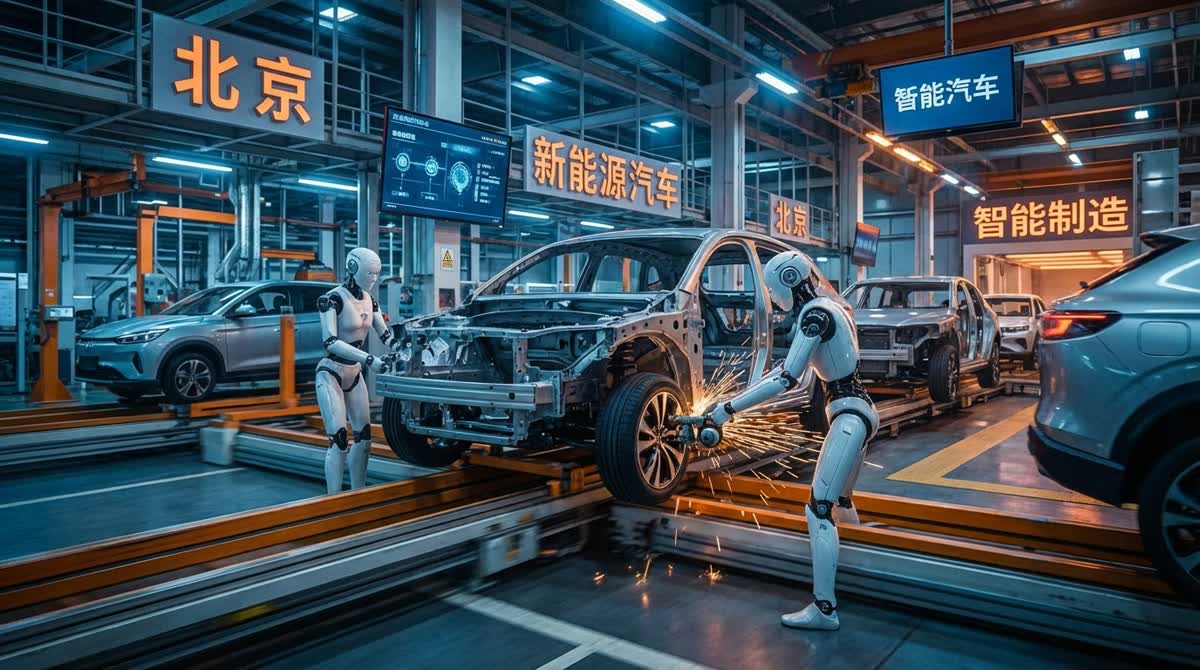
Xiaomi has successfully trialed two humanoid robots at its electric vehicle factory in Beijing, marking one of the first documented cases of bipedal robots keeping pace with a high-speed industrial production line.
The Trial
Xiaomi president Lu Weibing announced the results at Mobile World Congress in Barcelona. Two of the company's humanoid robots ran continuously for a three-hour shift on the EV assembly line, completing 90.2% of assigned tasks — including installing lug nuts onto vehicle chassis and moving materials between stations.
The critical benchmark: Xiaomi's factory runs at a cycle time of one car every 76 seconds. The robots matched that pace throughout the trial.
"To integrate robots into our production lines, the biggest challenge is for them to keep up with the pace," Lu told CNBC. "The two humanoid robots are able to keep up our pace."
"Interns," Not Employees
Lu was careful to temper expectations. "The robots in our production lines weren't doing an official job, more like the interns," he told CNBC. Full-time robot deployment is still a future goal, not the current reality.
Xiaomi first debuted its CyberOne humanoid robot in 2022 but has not released it commercially. The robots used in the factory trial appear to be an advanced development version of that platform.
A Broader Race
Xiaomi is not alone. UK-based Humanoid recently reported a 90%+ success rate on a tote-stacking task, while Tesla is converting its Fremont factory to build Optimus robots. In China, XPeng and Honor have both debuted their own humanoid platforms in recent weeks.
RBC Capital Markets forecasts a $9 trillion global addressable market for humanoids by 2050, with China projected to capture over 60% of that figure.