China's OpenClaw 'Lobster' Frenzy Is Minting New Entrepreneurs
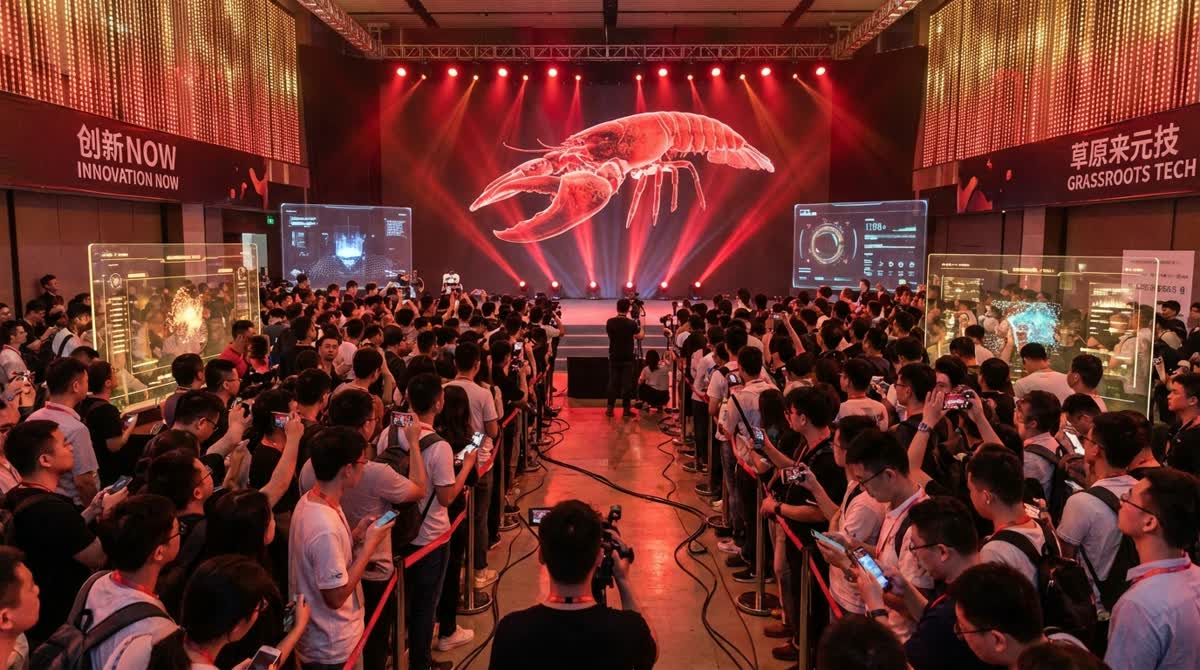
China has developed an OpenClaw obsession — and given it a nickname: "lobster," a reference to the AI agent platform's claw logo. While Beijing has barred the tool from government devices and state banks, ordinary users and local officials are racing to embrace it.
A Cottage Industry Is Born
Feng Qingyang, a 27-year-old software engineer in Beijing, spotted the opportunity in January. He listed "OpenClaw installation support" on Xianyu — a popular secondhand marketplace — for 248 RMB (~$34) per session, advertising "no coding knowledge needed, ready in 30 minutes." By late February he had quit his day job. His operation now employs more than 100 people and has completed over 7,000 orders.
Offline, the momentum is just as visible. Self-organized OpenClaw meetups are filling venues across Shenzhen. The biggest event, held March 7, drew more than 1,000 attendees — shoulder to shoulder, many unable to find seats. Attendees range from tech workers to lawyers, doctors, and retirees.
Big Tech and Local Government Follow
Tencent ran a public event offering free OpenClaw installation support, drawing long queues that included elderly users and children. China's AI companies are also pushing their own models and cloud APIs as backends for "lobster" setups.
Local government has followed. Shenzhen's Longgang district — home to China's first AI and robotics bureau — has released draft policies offering free computing credits and cash rewards for OpenClaw projects. At least seven Chinese local governments have now launched million-dollar funding programs tied to OpenClaw adoption, specifically targeting "one-person companies" where a single founder runs a business with AI agents.
The split is stark: the week central ministries warned state workers away from OpenClaw, regional officials were handing out subsidies to build on it.