Google Is Rewriting Your Headlines in Search Results
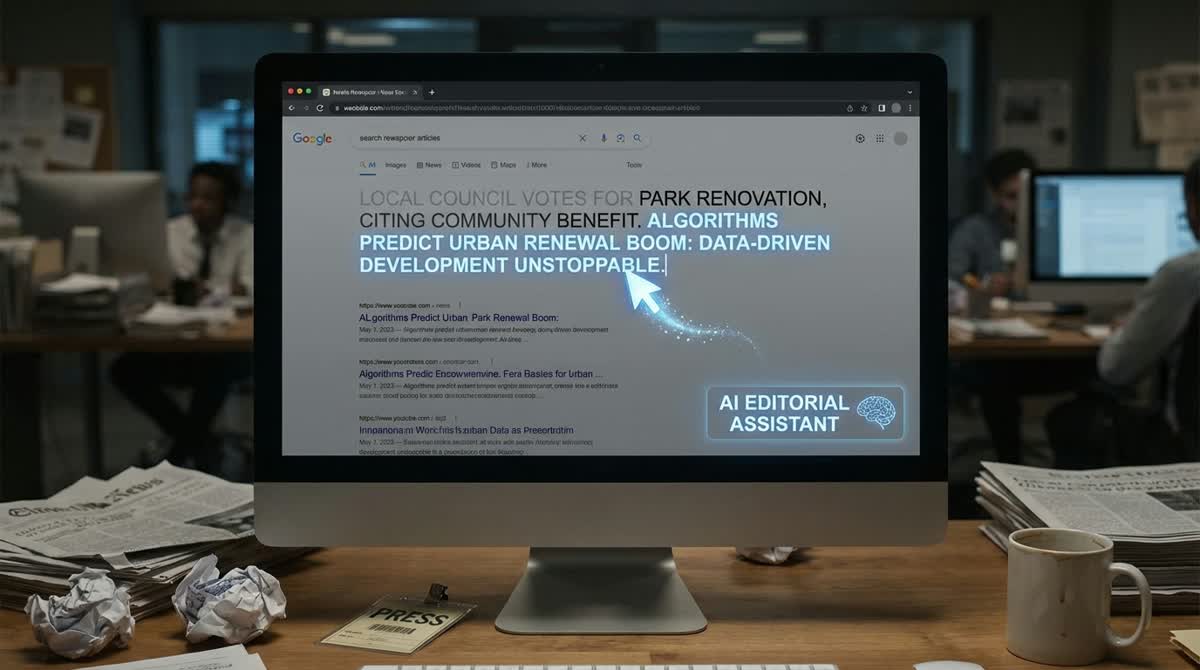
Google has confirmed it is experimenting with AI-generated headline replacements in traditional search results — the classic "10 blue links" experience that has defined web search for over two decades.
The issue was surfaced by The Verge, which discovered multiple instances of its own articles appearing under headlines it never wrote. In one case, a critical review headlined "I used the 'cheat on everything' AI tool and it didn't help me cheat on anything" was reduced to just five words: "'Cheat on everything' AI tool" — making a negative review sound like product promotion.
Google confirmed the test to The Verge, calling it a "small" and "narrow" experiment not yet approved for wider launch. A spokesperson said the system identifies page content to generate titles that are "useful and relevant" to the user's search query, and that the test applies to all websites, not just news.
The Discover Precedent
This follows an identical pattern with Google Discover. In early 2026, Google called AI headline rewrites in Discover an "experiment." One month later, it announced those rewrites were now a permanent feature — citing "user satisfaction" metrics. The Verge noted examples of Discover headlines that were factually wrong, including one that stated the US reversed a drone ban when the article described the opposite.
What Publishers Are Saying
No labels appear to indicate when Google has replaced a headline. Publishers have no opt-out mechanism. Google told The Verge that any eventual launch "would not be using a generative model" — without explaining the distinction.
For news outlets that invest heavily in headline craft, the change represents a significant loss of editorial control. What Google calls personalization, critics are calling a quiet rewrite of the open web.