arXiv Splits from Cornell After 35 Years to Become Independent Nonprofit
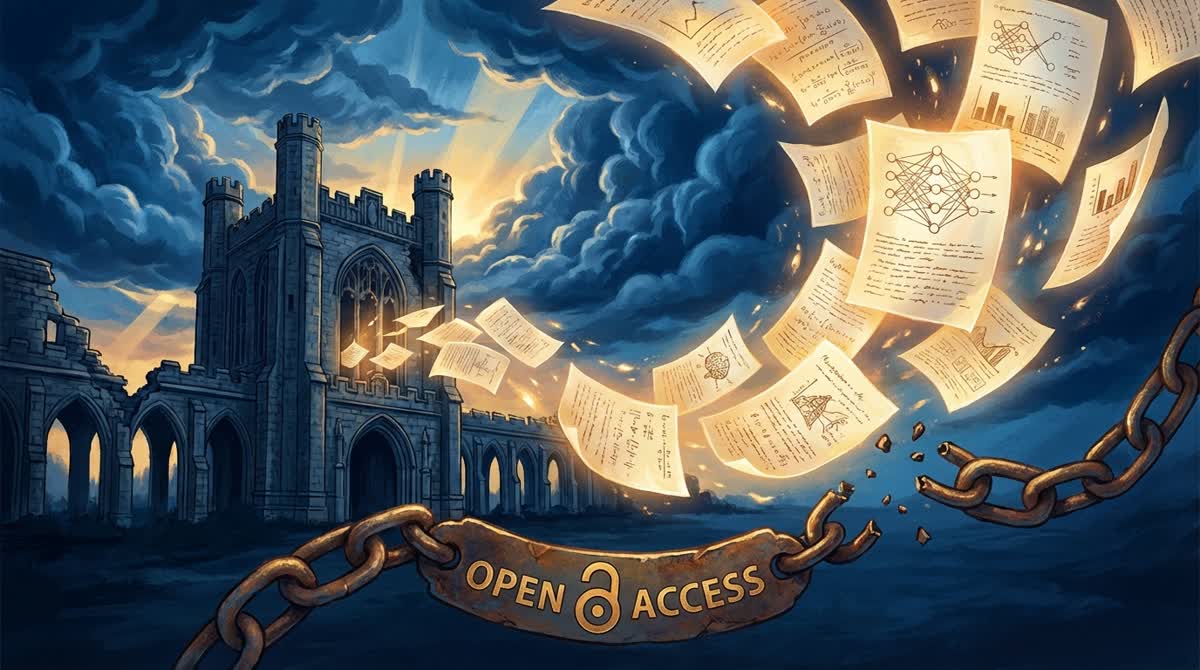
arXiv has been home to virtually every significant AI research paper for over three decades. Now, after 35 years under Cornell University's institutional umbrella, the platform is going independent.
What's Happening
Cornell University and the Simons Foundation jointly announced that arXiv will launch as a fully standalone nonprofit on July 1, 2026. An international search is underway for arXiv's inaugural CEO, who will report to a new board of directors. The transition is explicitly framed as enabling "faster technological development, greater organizational flexibility, expanded partnerships, and long-term financial sustainability."
The Scale of What's Moving
arXiv hosts just under 3 million scholarly articles, serves 5 million monthly users, and has recorded 3.2 billion total downloads since 1991. It publishes roughly 1,000 new papers every day across physics, mathematics, computer science, economics, and more — free to read, no paywalls. The platform currently operates on an annual budget of approximately $6 million and employs around 27 staff.
Why It Matters for AI
Every major model paper — the original Transformer, BERT, GPT-2, DeepSeek, and hundreds more — landed on arXiv before it appeared anywhere else. The platform is the global nervous system for AI research: researchers worldwide wake up to it each morning to see what got submitted overnight.
The move to independence will allow arXiv to diversify its funding beyond Cornell's administrative structure, pursue infrastructure upgrades, and expand subject coverage. The core commitment — free, open-access preprints — remains unchanged.
Community reaction on Hacker News has been cautiously optimistic, with some concern about potential long-term risk of commercialization, though no evidence currently supports that trajectory.