LG Electronics Bets on Robot Actuators, Plans Mass Production in 2026
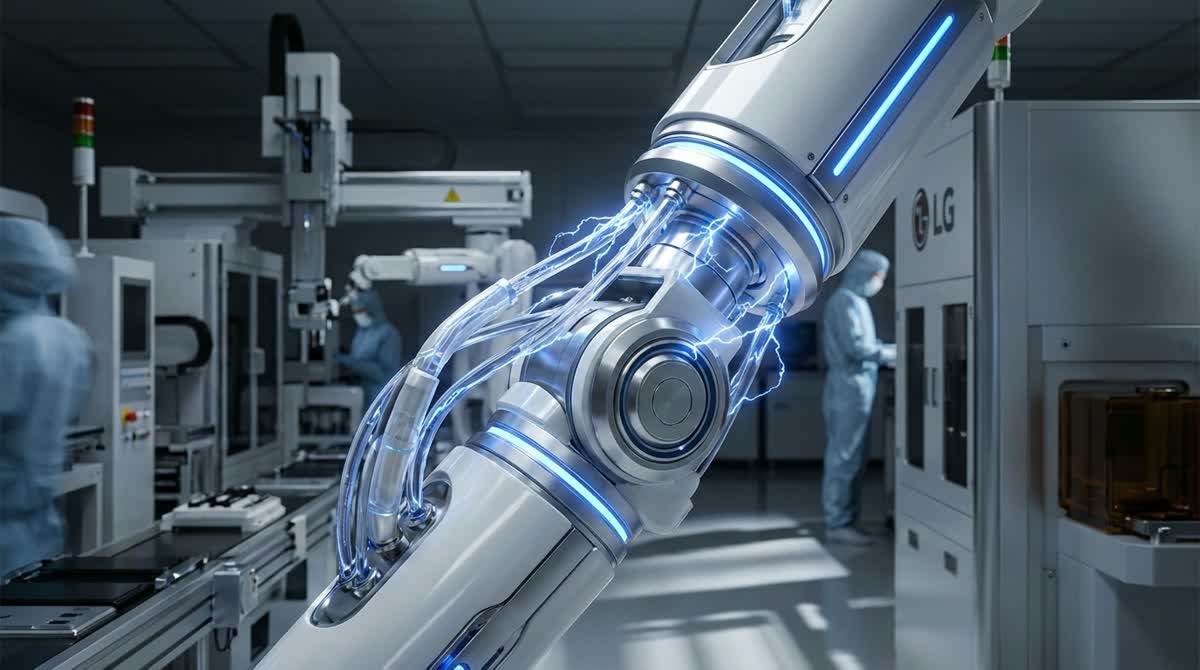
LG Electronics CEO Lyu Jae-cheol laid out an aggressive robotics roadmap at the company's 24th annual shareholders meeting in Seoul on Monday, declaring 2026 the start of "full-scale implementation" of its robot business.
Going Vertical on Actuators
The headline move: LG will design and mass-produce robot actuators in-house. Actuators convert energy into physical motion — essentially the muscles of a robot — and account for roughly 40 percent of total production costs. By controlling this component, LG aims to become a key global supplier to robotics companies rather than just competing in the crowded finished-robot market.
"Based on our home appliance motor technology and mass-production infrastructure capable of producing 45 million units annually, we will establish ourselves as a key supplier in the robot actuator market," Lyu said. Mass production is targeted within 2026. The global actuator market is projected to reach around $23 billion by 2030.
Strategic Positioning
LG outlined four focus areas for near-term growth: robots, AI data center cooling, smart factory platforms, and AI-powered home systems. The company has already invested in Chinese humanoid robotics firm AgiBot, signaling intent to align with the fast-moving humanoid supply chain.
On the consumer side, LG's CLOi home robot remains in testing with a potential launch after 2026.
Why This Matters
LG is betting the real value in the robotics boom lies in components, not finished products. With an existing manufacturing base built around high-volume motor production, it has a credible path into actuator supply — an angle most consumer electronics companies have not taken. The company also targets a 30 percent productivity improvement through internal AI adoption over the next two to three years.