Walmart Says ChatGPT Checkout Converted 3x Worse Than Its Own Site
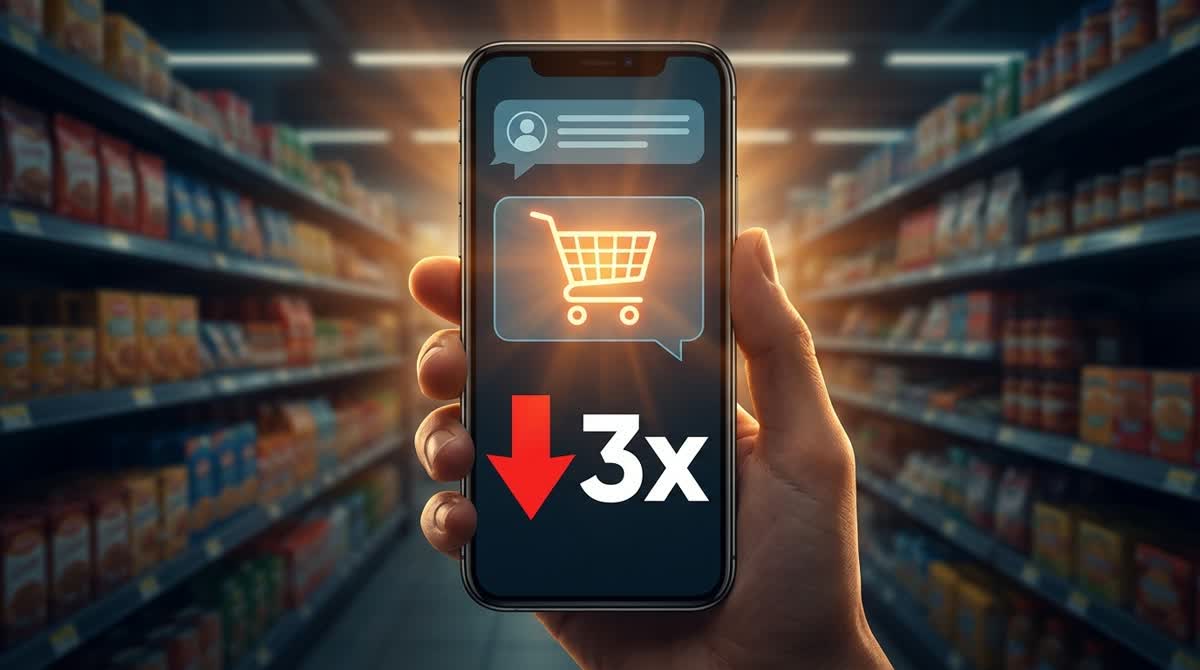
AI-powered shopping has hit a real-world wall. Walmart's EVP of product and design, Daniel Danker, disclosed that purchases completed inside ChatGPT via OpenAI's Instant Checkout feature converted at one-third the rate of transactions where users clicked through to Walmart's own website. Danker called the experience "unsatisfying."
What Was Instant Checkout?
Starting in November, Walmart made roughly 200,000 products available through OpenAI's Instant Checkout — a feature that let users complete purchases directly inside ChatGPT without ever leaving the chat interface. The pitch was frictionless commerce: ask, find, buy, all in one place.
The data told a different story.
Why It Failed
According to reporting by WIRED and The Information, users are happy to research and discover products inside ChatGPT — but they don't complete purchases there. Trust, familiarity, and established checkout flows (like Apple Pay and one-click Amazon) keep pulling shoppers back to owned retail environments. Infrastructure is also a factor: normalizing real-time product catalogs at scale is a problem retailers and platforms have spent years solving.
OpenAI confirmed it is phasing out the native Instant Checkout feature. Instead, it will prioritize product search and discovery, while transactions shift to connected merchant apps.
What Comes Next
Walmart is replacing the integration with a new model: its own AI shopping assistant, Sparky, will be embedded inside ChatGPT. Users log into Walmart, sync their carts, and complete purchases within Walmart's own checkout system. A similar integration with Google Gemini is reportedly coming next month.
Shopify's president Harley Finkelstein added context: only about a dozen Shopify merchants were actively using AI checkout tools across ChatGPT, Gemini, and Copilot combined — a tiny fraction of Shopify's total merchant base.
The takeaway: AI is a discovery engine, not yet a transaction engine. Owning the checkout still matters.