UK Bans Crypto Donations to Political Parties Over Foreign Influence Fears
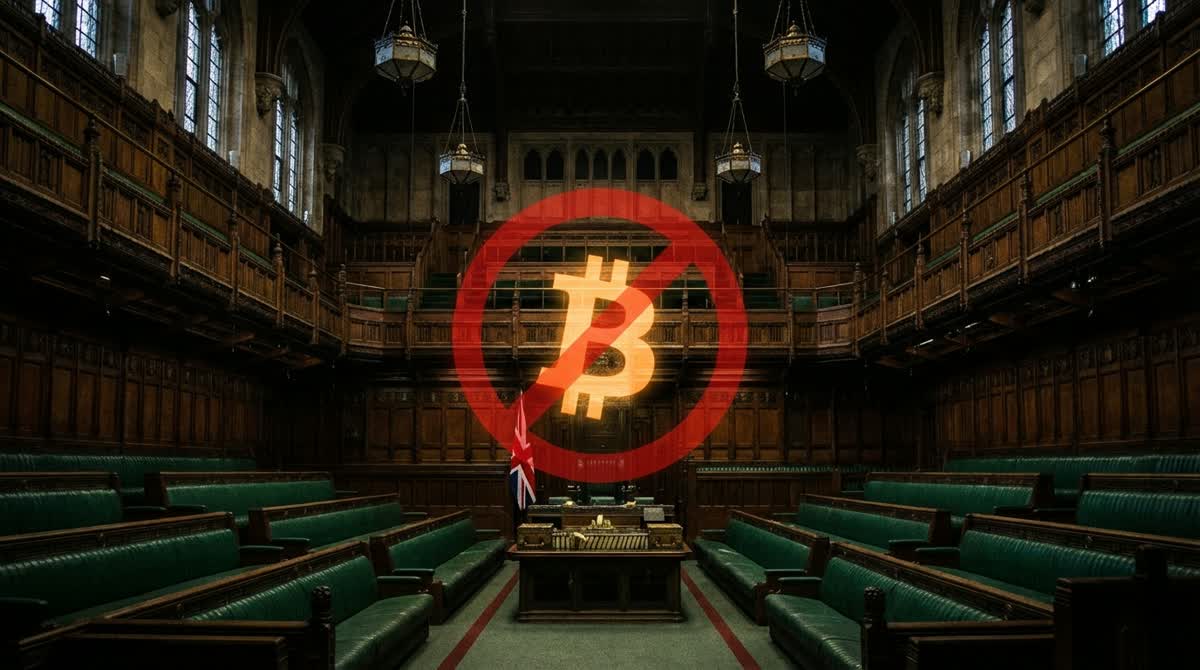
UK Prime Minister Keir Starmer announced an immediate moratorium on cryptocurrency donations to political parties on March 25, 2026, following the government-commissioned Rycroft review into foreign financial influence in British politics.
The ban covers donations of any size and takes effect immediately. Once legislation passes through Parliament, parties will have 30 days to return any crypto received — after which criminal penalties apply. The rules are being written into the Representation of the People Bill currently moving through Parliament.
Why Now
The Rycroft review found that the anonymity of digital assets creates risks for democratic transparency, making it difficult to trace the origins of foreign money entering UK politics. Former senior civil servant Philip Rycroft, who authored the review, framed the moratorium as a regulatory pause rather than a permanent ban — describing it as an "interlude" to allow oversight frameworks to mature.
"I wasn't here to look out for the interests of any political party," Rycroft said. "I was here to look out for the interest of our democratic processes."
Political Fallout
The announcement directly targets Reform UK, the only major British party to have accepted cryptocurrency donations. Reform leader Nigel Farage has publicly championed crypto, calling for lower capital gains taxes and a national Bitcoin reserve. Reform members walked out of Parliament during Starmer's announcement.
Starmer took aim at Farage during the address, suggesting there is "only one party leader who has shown he will say anything, no matter how divisive, if he is paid to do so."
Scope
Alongside the crypto ban, the Rycroft review also recommended capping overseas donations from British citizens living abroad at £100,000 per year. Reform UK leads current UK polling, making the timing of this legislation particularly significant ahead of the next general election.