FCC Bans Future Imports of All Foreign-Made Consumer Routers
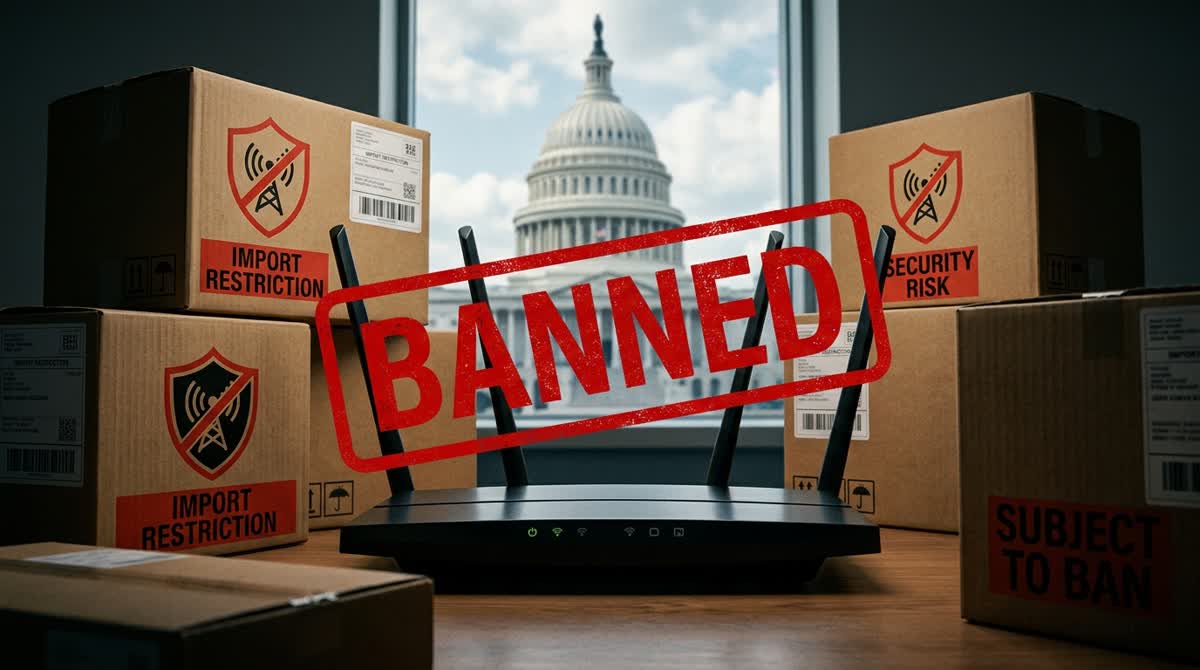
The Federal Communications Commission added all consumer-grade routers produced in foreign countries to its national security Covered List on March 23, 2026, effectively banning new router models from receiving FCC equipment authorization — which is required for any device to be imported, marketed, or sold in the US.
What Actually Changed
Existing routers are unaffected. Consumers can keep using the devices they already own, and companies can continue importing products that already hold FCC authorization. The ban applies only to new, previously unauthorized router models.
The problem: virtually every consumer router — including those sold under US brands like Netgear, Eero, and Google Nest — is manufactured in Asia. So the ban effectively covers almost the entire future router market in the US.
The National Security Argument
The FCC acted on a determination made by a White House-convened interagency body, which cited supply chain vulnerabilities and the involvement of foreign-made routers in the Volt Typhoon, Flax Typhoon, and Salt Typhoon cyberattacks against US critical infrastructure.
Critics point out that those same attacks often targeted routers made by US companies like Cisco and Netgear — which had simply stopped issuing security updates for discontinued models. Moving manufacturing to the US doesn't fix software support gaps.
What Manufacturers Must Do
Router makers can apply for a "Conditional Approval" from the Department of War or DHS — an exemption path that lets them continue importing while committing to US-based manufacturing. DJI faced the same situation with drones in December and chose to exit the US market instead.
No manufacturer has confirmed a domestic production plan so far. If none do, the result would be a dramatically limited selection of new routers available to US consumers.