Waymo Has Called 911 At Least Six Times to Get Its Stuck Robotaxis Moving
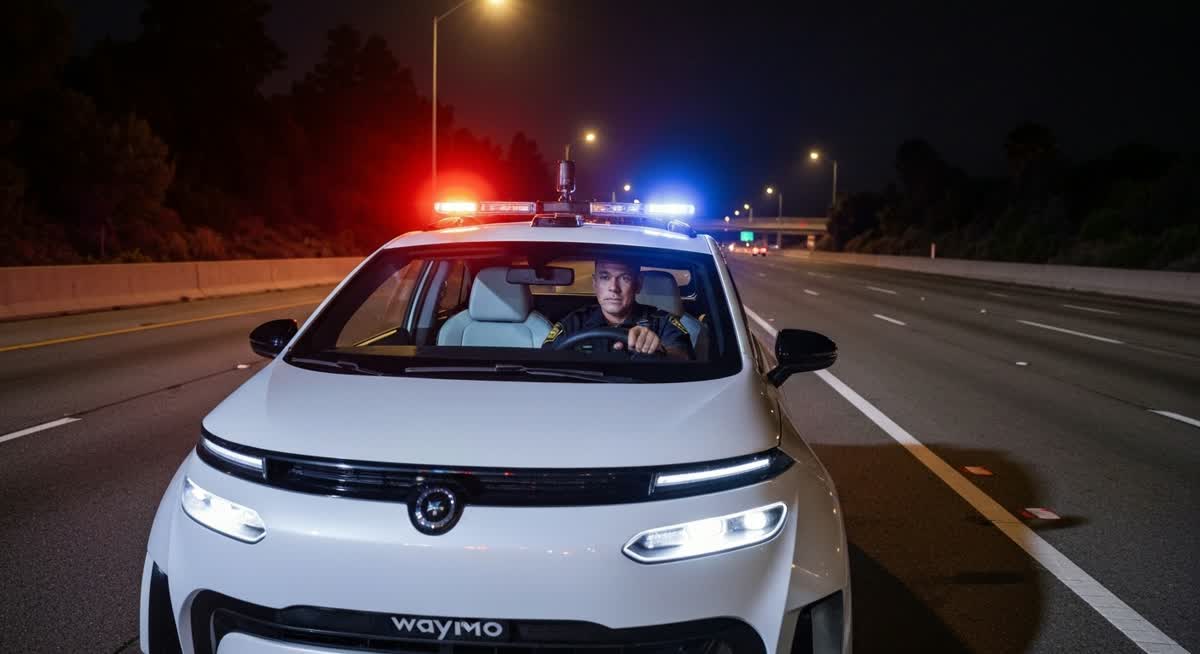
Waymo's robotaxis — marketed as "the world's most experienced driver" — have needed human rescuers far more than the company has publicly acknowledged. A TechCrunch investigation, using public records requests, identified at least six incidents where first responders had to physically take control of Waymo vehicles that couldn't navigate on their own.
The most striking case: last August, a Waymo robotaxi got stuck on a California freeway during a highway wildfire evacuation. When California Highway Patrol officers directed traffic to turn around, the robotaxi froze — it couldn't execute a U-turn. After Waymo's remote assistance team failed to resolve the situation remotely, the company called 911. A CHP officer then climbed into the driver's seat and manually steered the vehicle to safety.
In another incident, a Waymo remote assistance worker — monitoring from the Philippines — incorrectly advised the vehicle it could proceed past a school bus loading children, prompting an NTSB investigation.
A scaling problem
Waymo now provides more than 400,000 paid rides per week across ten U.S. cities, with plans to expand to 20 more this year. Its roughly 3,000 vehicles are monitored by around 70 remote assistance workers at any given time — half based in the U.S., half overseas.
San Francisco's Department of Emergency Management called the situation "not tenable," noting that first responders are being pulled away from emergencies to babysit stuck robotaxis. Waymo has not disclosed how many roadside assistance workers it employs or how it plans to scale that capacity alongside the fleet.
The company says its median one-way latency for overseas remote assistance is 250 milliseconds — fast, but clearly not always sufficient when a vehicle needs to make a judgment call in an active emergency zone.