12 EU Banks Are Racing to Put the Euro Onchain Before Dollar Stablecoins Dominate
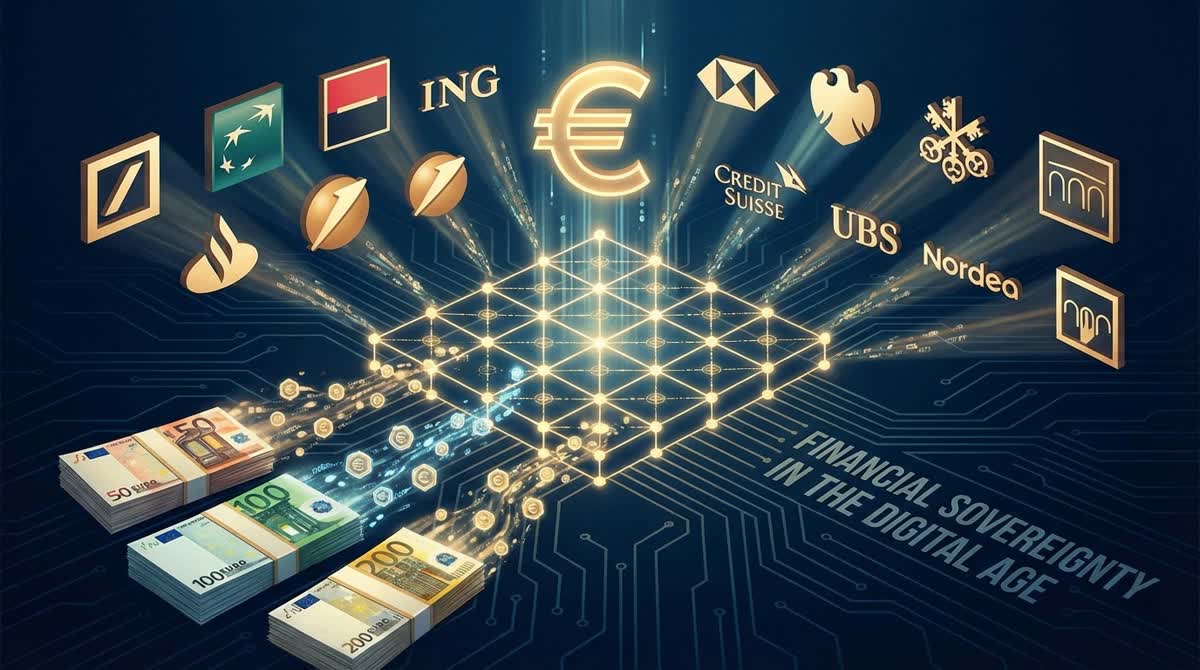
Europe's banking giants are worried about losing the next era of global finance to the U.S. dollar — and they're doing something about it.
Qivalis, a consortium of 12 major European banks including ING, UniCredit, BNP Paribas, BBVA, and CaixaBank, is building a MiCA-compliant euro stablecoin. The goal: establish the euro as a serious player in crypto markets before dollar-pegged tokens like USDT and USDC make that impossible.
The numbers reveal the stakes. In traditional finance, the euro handles roughly 20-25% of global transactions, making it the world's second reserve currency. On blockchains, that share collapses to just 0.2%. That gap is what Qivalis CEO Jan-Oliver Sell calls a "huge disconnect" — and a growing threat.
"If we don't have a euro onchain with depth of liquidity, then the only alternative is the U.S. dollar," Sell told CoinDesk. "That's a real risk to Europe's financial and digital sovereignty."
How Qivalis Is Built
The token is designed to be 1:1 backed — at least 40% in bank deposits, the rest in high-quality euro-area sovereign bonds diversified across EU countries. Redemption is available 24/7.
Qivalis is seeking authorization from the Dutch central bank under MiCA and is targeting a launch in the second half of 2026. It's in advanced talks with crypto exchanges, market makers, and liquidity providers to ensure the token has depth on day one.
Not the ECB's Digital Euro
The project is distinct from the European Central Bank's proposed digital euro, which won't arrive before 2029 and operates on centralized infrastructure. Sell describes the two as complementary layers — central bank money for public payments, Qivalis for blockchain-native use cases like cross-border settlement and DeFi.
The stablecoin market is currently around $314 billion and could reach $1.15 trillion by 2031. Europe's banks are betting they can carve out the euro's fair share — if they move fast enough.