Alibaba's Qwen AI Glasses Get First OTA, Turning Gaze Into Action
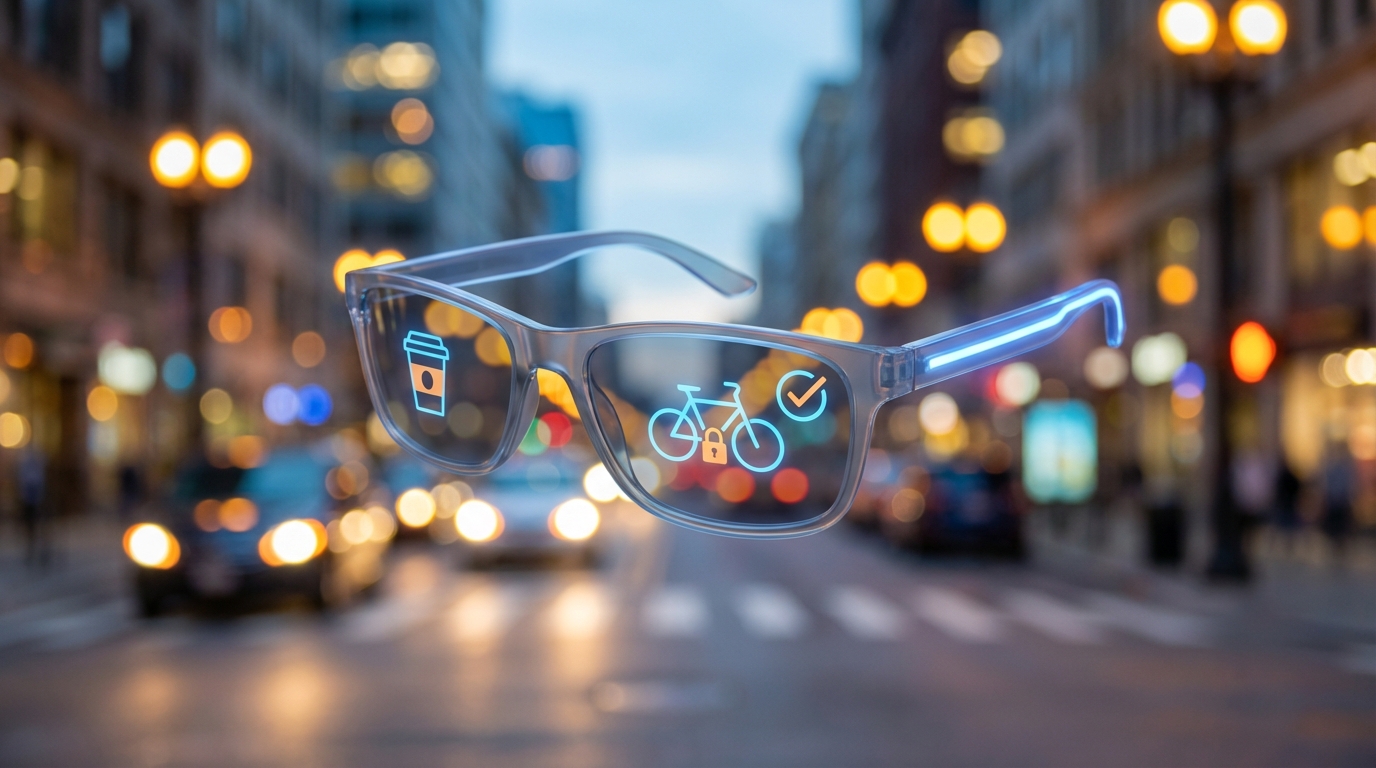
Alibaba's Qwen AI glasses just crossed an important threshold. The first major OTA update, rolled out April 2, shifts the device from a wearable chatbot into something closer to an agentic interface for the physical world.
From Questions to Actions
The core change is straightforward but significant: high-frequency smartphone tasks now route through the glasses via voice and camera. Users can say "Order me an iced Americano" and the glasses trigger Taobao Flash Purchase to complete the transaction. Low phone credit? A voice command handles the top-up through Alipay. Spot a shared bike on the street? Glance at it, and the glasses recognize the QR code and unlock it automatically.
Parking payments, food delivery orders, and mobile recharges all work the same way - look, speak, done. No phone screen required.
The Agentic Wearable Play
This matters because it demonstrates a shift in how AI wearables create value. Most smart glasses today are glorified cameras with an AI chatbot bolted on. Alibaba is betting that the real utility comes from connecting AI perception directly to commerce infrastructure. The Qwen engine running on the glasses sees what the user sees through a 12-megapixel Sony camera and five microphones, then acts on it through Alibaba's vast payment and delivery ecosystem.
The "Master Agent" feature lets users chain multiple actions in a single command - take a photo, translate it, set a reminder - all processed as one intent.
Market Context
The update positions Alibaba's glasses as a more action-oriented alternative to Meta's Ray-Ban smart glasses, which remain focused on capture and conversation. With Alibaba's commerce and payments stack baked in, the Qwen glasses are purpose-built for a market where mobile payments already dominate daily life.