South Korea Sets Q4 Pilot for Deposit-Token Government Spending
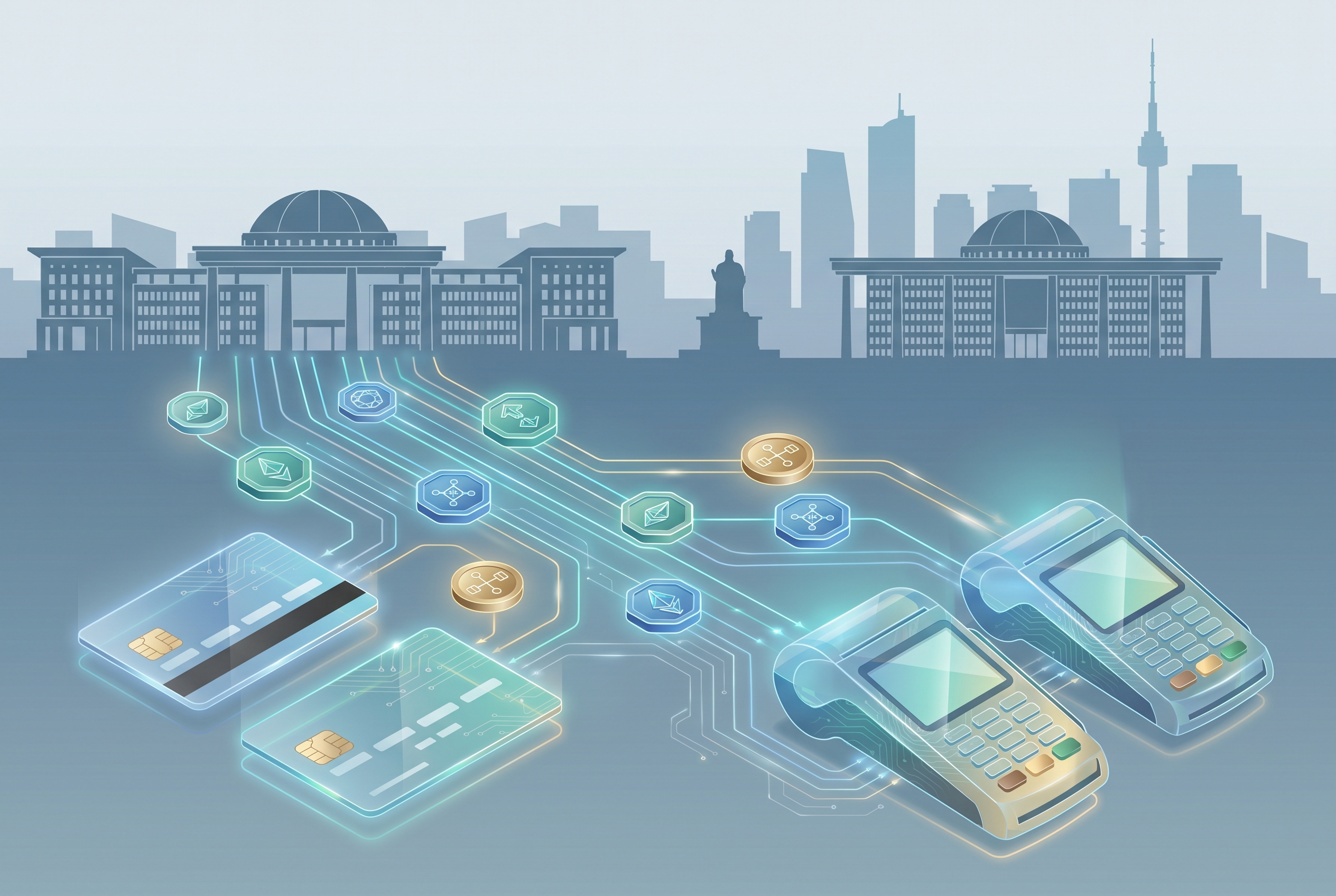
South Korea's Ministry of Economy and Finance says it will begin a fourth-quarter pilot that uses blockchain-based deposit tokens for some official business expenses, turning a policy debate into a live treasury payment test.
From card rails to programmable spending
Under current rules, ministries and public agencies must use government purchase cards for these expenses. The new pilot, selected under the Office for Government Policy Coordination's 2026 programmatic regulatory sandbox, would let the ministry test deposit-token payments instead. Officials said the project will start in Sejong City after participating businesses are chosen.
The ministry argues the token model could tighten controls before money is spent, not just after. Spending windows and merchant categories can be preset on-chain, which matters because late-night or weekend use of official expenses currently triggers extra explanations after the fact. The government also says cutting out card-network intermediaries could reduce payment fees for small merchants that receive public funds.
Korea's second treasury token trial
This is not Seoul's first experiment with deposit tokens, but it is its second reported use in treasury operations after an earlier pilot tied to EV charging-station subsidies. That makes the latest move more notable than a standalone sandbox announcement: it suggests Korea is testing whether programmable bank money can work in routine fiscal operations, not only in narrow subsidy programs.
What remains unproven is scale. For now, the verified plan is a limited fourth-quarter pilot, with broader expansion dependent on operational results and future legal changes.