Vercel Makes Workflows Generally Available for Durable Agents and Backends
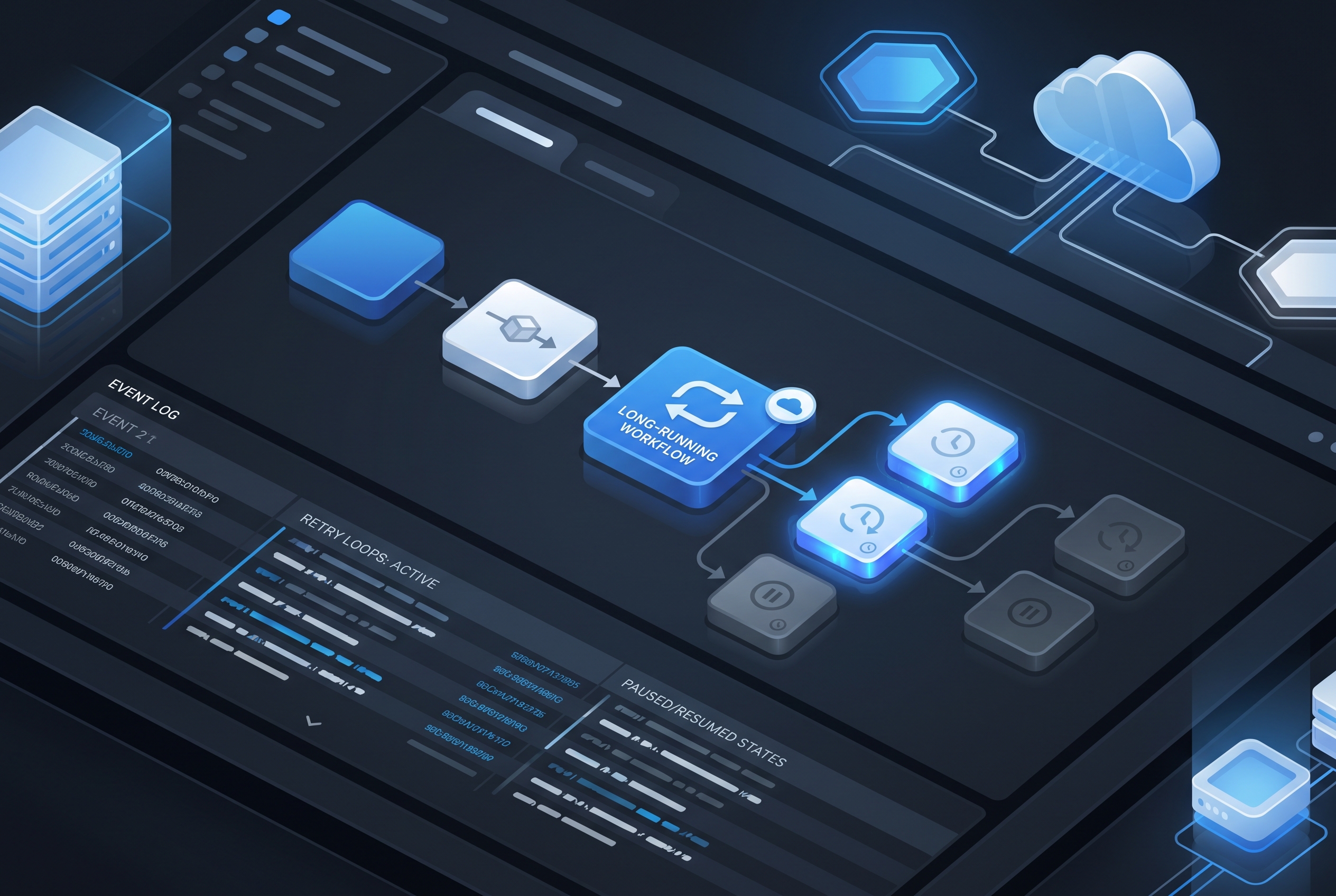
Vercel has made Workflows generally available and is pitching it as a simpler way to build long-running application logic, especially for AI agents and backend jobs that need to survive crashes, retries, and restarts.
What shipped
In Vercel's model, developers write durable logic directly in app code instead of splitting orchestration across separate workers, queues, and state tables. The company says each workflow step runs as its own function invocation, with execution history recorded in an event log and the next step scheduled automatically.
The public Workflows product page also emphasizes built-in observability, version pinning for in-flight runs, and pay-for-use execution rather than always-on orchestration infrastructure. That makes the launch notable for teams building agent loops or other multi-step processes on top of a serverless stack.
Why it matters
The accompanying Workflow SDK docs show how Vercel is targeting the agent market directly. Agents can turn tool calls into durable steps, resume streams after disconnects, and pause for external events or human approval without custom queue plumbing. Vercel also says a Python SDK is now in beta, extending the model beyond its TypeScript roots.
That does not make workflow orchestration a solved problem, but it does narrow the gap between a demo agent and something that can keep running in production. For AI teams already deploying on Vercel, the more important change may be packaging durability and orchestration into the same application environment they already use.