Google Pushes A2UI v0.9 as a Portable Layer for Agent-Generated UI
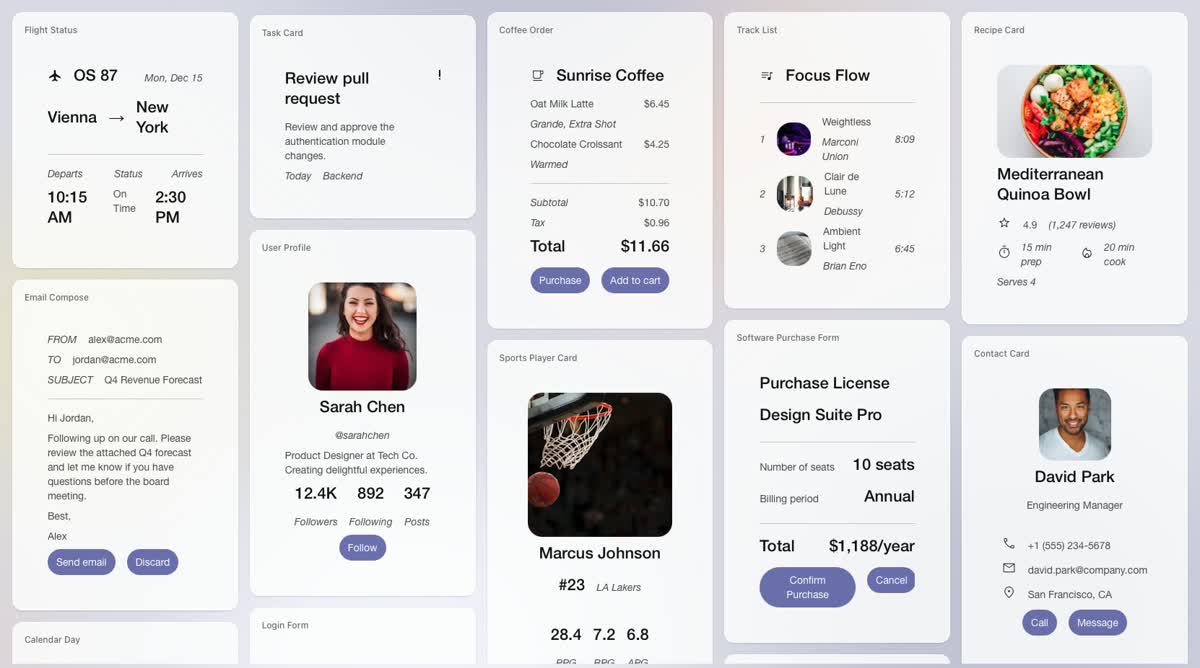
Google has released A2UI v0.9, a new version of its open-source format for agent-generated interfaces. The pitch is not that models should emit arbitrary frontend code. Instead, A2UI lets agents describe UI intent in structured JSON, while the client renders those requests through a pre-approved component catalog.
What changed
In the launch post, Google says v0.9 adds a shared web-core library for browser renderers, an Agent SDK for building the server side of A2UI apps, and new language features including client-defined functions, client-to-server data syncing, and improved error handling. The company also says transport interfaces were simplified so A2UI can be carried over MCP, WebSockets, REST, A2A, and AG-UI style connections.
The A2UI docs describe the same split of responsibilities: agents generate messages, and renderers turn them into native components. Current docs list maintained renderer support across Lit, Angular, and Flutter, with additional ecosystem projects building on top.
Why it matters
That makes A2UI less about a demo widget set and more about a portability layer for agent products that need to reuse existing design systems across web and mobile surfaces. The conservative takeaway is that Google is trying to standardize how agents ask for UI, rather than standardize the UI itself. If that model sticks, teams may get a safer way to ship interactive agent experiences without handing LLMs direct control over frontend code.