Aave's Ethereum V3 WETH, USDT and USDC Reserves Reach Full Utilization
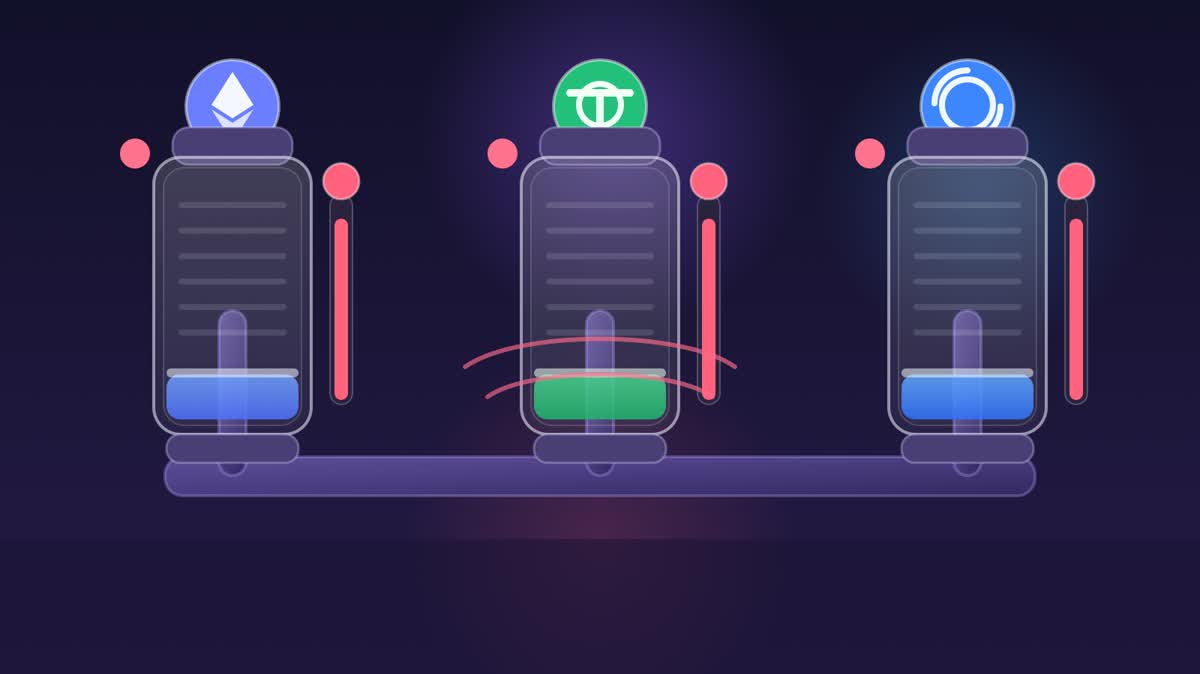
Aave's Ethereum V3 market appeared to hit a genuine liquidity stress point on April 22 in Asia, with Aavescan showing the protocol's main WETH, USDT, and USDC reserves at effectively full utilization.
What changed
At the time of writing, Aavescan listed about $5.59 billion of WETH supplied and $5.59 billion borrowed, alongside roughly $2.32 billion supplied and borrowed in USDT and $1.95 billion supplied and borrowed in USDC. In practical terms, that means those reserves had little to no idle liquidity left for normal withdrawals.
That interpretation matches Aave's own risk documentation. In an official explainer on liquidity risk, Aave said utilization becomes problematic as it approaches 100%, because at that point "no liquidity is left" and depositors may be unable to withdraw when they want to.
Why it matters
The conservative, verified takeaway is not that Aave itself was hacked. Instead, the protocol is still absorbing fallout from the Kelp DAO rsETH bridge incident, which triggered emergency market freezes, large withdrawals, and a scramble for remaining liquidity. CoinDesk reported that trapped users were increasingly borrowing against their own deposits to find an exit as pools tightened.
That makes this more than a headline about one protocol's rates spiking. When a major Ethereum lending venue reaches full utilization in its biggest reserves, DeFi's normal safety valves, especially smooth withdrawals and orderly liquidations, get weaker exactly when stress is highest.