Apple Says Mac Demand Rose as Local AI Workloads Spread
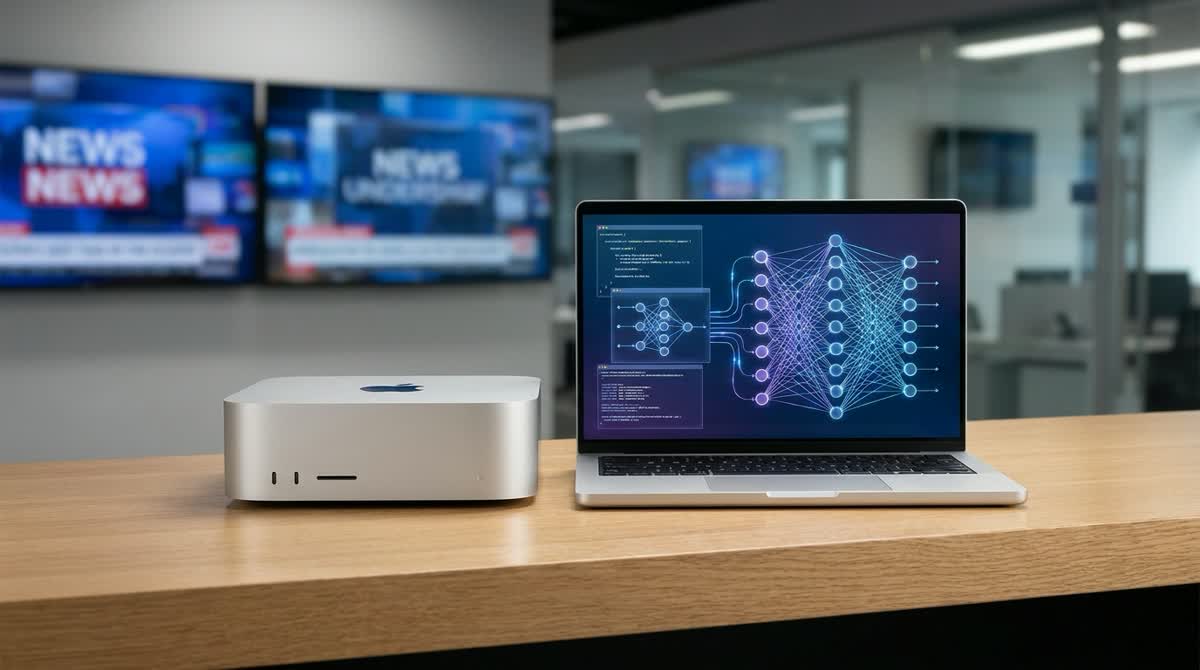
Apple reported stronger-than-expected Mac results for the March quarter and used its earnings call to argue that local AI work is becoming a real demand driver for the platform.
What Apple said
In its fiscal Q2 2026 results, Apple said Mac revenue reached $8.4 billion, up 6% year over year. On the earnings call, Tim Cook said the category still faced supply constraints because demand came in higher than expected. He also described the Mac lineup as "the best platform for AI", pointing to Apple Silicon's ability to run advanced models locally.
Cook added that developers and researchers are increasingly using Apple devices to build and run agentic AI workloads. CFO Kevan Parekh separately said Mac growth was helped by recent product launches, including the lower-cost MacBook Neo.
Why it matters
The signal here is less about one quarter of hardware sales and more about who is buying Macs and why. Apple is no longer talking only about benchmark gains or marketing-friendly AI features. It is now explicitly telling investors that local model inference and agentic development are becoming part of the Mac demand story.
That does not mean AI has suddenly transformed Apple's business; Mac remains much smaller than iPhone, and new product launches clearly helped. But Apple's comments suggest on-device AI is moving from a niche enthusiast use case toward a more visible commercial reason to buy Macs, especially for developers who want unified memory, lower latency, and less dependence on cloud inference.