Google Adds Gemini API Webhooks for Long-Running Jobs
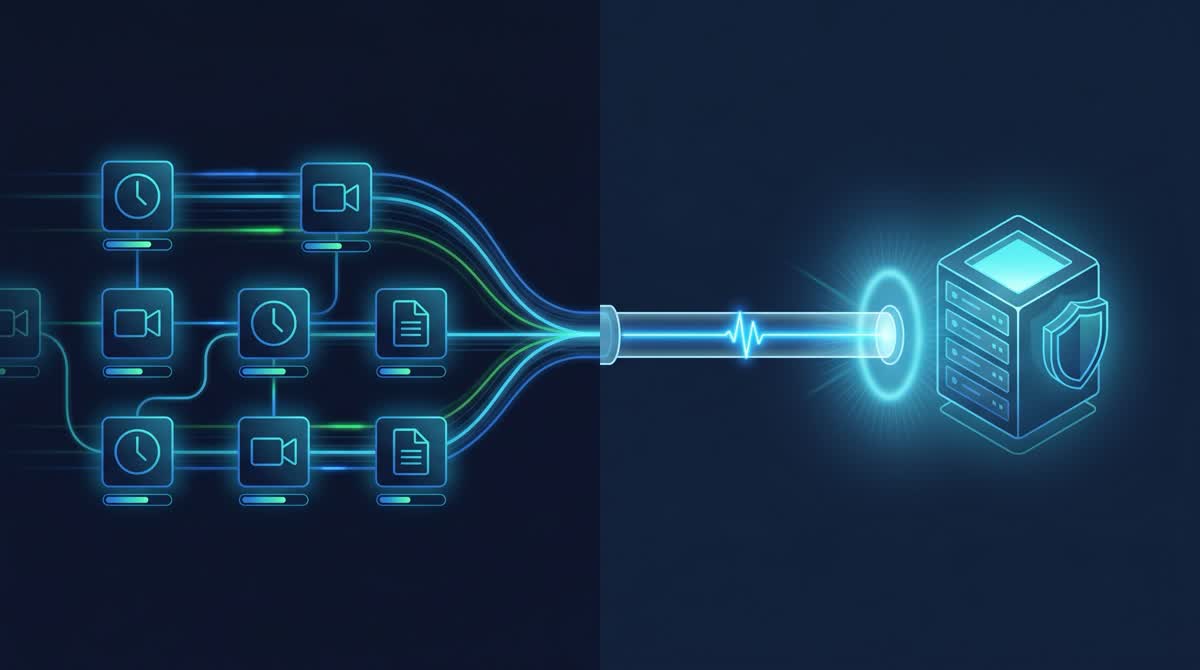
Google has added event-driven webhooks to the Gemini API, giving developers a push-based way to track long-running operations instead of repeatedly polling for status.
What changed
According to Google’s announcement and docs, Gemini API webhooks are now available for asynchronous workflows including Batch jobs, Interactions long-running operations, and video generation. When one of those tasks finishes, the API can send an HTTP POST to a developer-defined endpoint rather than forcing the client to keep calling the operations API.
Google says teams can configure webhooks in two ways: static project-level endpoints through its WebhookService API, or dynamic request-level overrides that route specific jobs to different listeners. The company also documents a thin payload approach, where webhook deliveries send status metadata and pointers to outputs rather than the full result payload itself.
Why it matters
This is mostly infrastructure, but it is useful infrastructure. As AI products lean harder on batch processing, media generation, and agent-style workflows, polling becomes wasteful and slower to react. A push callback model makes it easier to connect Gemini jobs to queues, internal automations, and downstream systems.
Google also says the implementation follows the Standard Webhooks specification, with webhook-signature, webhook-id, and webhook-timestamp headers plus at-least-once delivery and retries for up to 24 hours. In practice, that makes the launch less about a new model capability and more about making Gemini-based systems easier to operate in production.