Vercel Adds Observability for Eve Agent Sessions
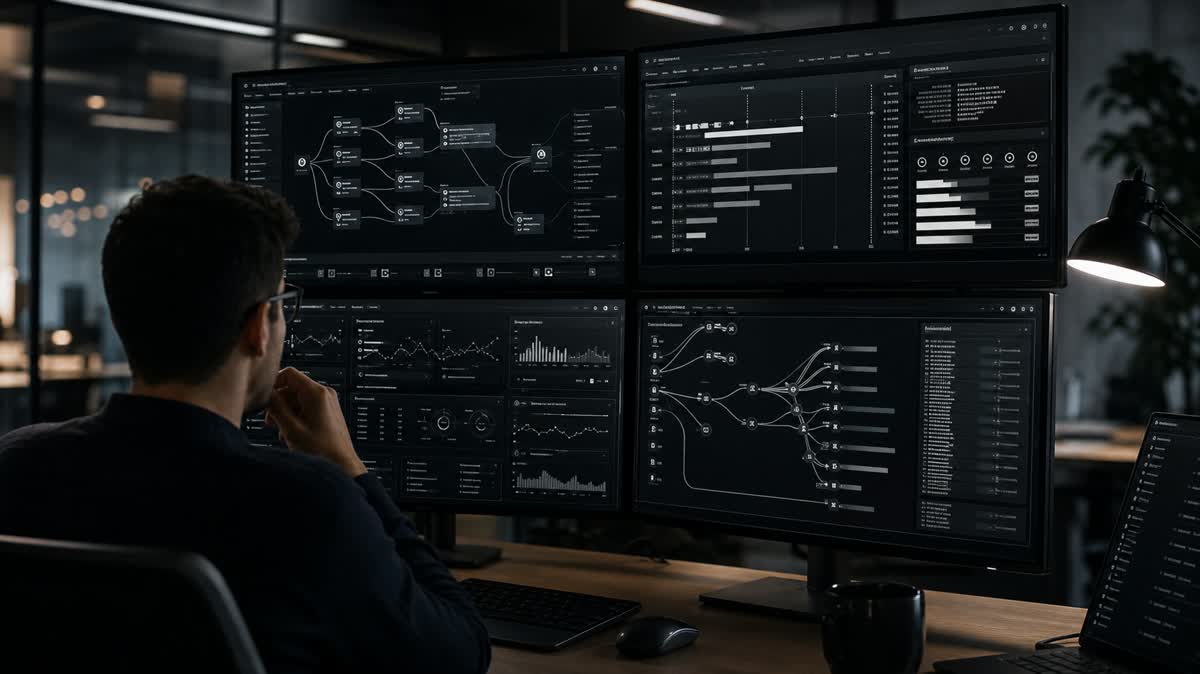
Vercel has added observability support for eve, its filesystem-first framework for durable backend AI agents. The changelog says developers can now trace and debug eve agent sessions through Vercel Observability, bringing agent runs into the same monitoring surface used for application performance and traffic analysis.
The change is narrow, but it reflects a practical gap in agent infrastructure. Long-running agents do not fail like ordinary request-response endpoints: they may call tools, spend tokens across multiple turns, pause, retry, or hand off work before producing a useful result. Vercel's eve documentation says the framework runs agents from an agent/ directory on Vercel and uses platform services including Blob, Cron, Queues, Sandbox, and Observability. Its docs also describe Observability as the place where agent runs, token usage, and performance can be inspected.
For teams building production agents, the useful part is less the dashboard itself than the ability to connect runtime behavior to deployment and infrastructure context. A stalled tool call, unexpected token spike, or slow session becomes easier to investigate when it is visible beside normal application traces and logs.
Vercel has been steadily positioning its platform around agent workloads through the AI SDK, sandboxes, queues, and framework-level deployment patterns. Eve observability is another piece of that stack, aimed at making agent sessions debuggable enough for backend teams rather than only demo-friendly prototypes.