D.C. Robotaxi Bill Pits Uber Against Waymo
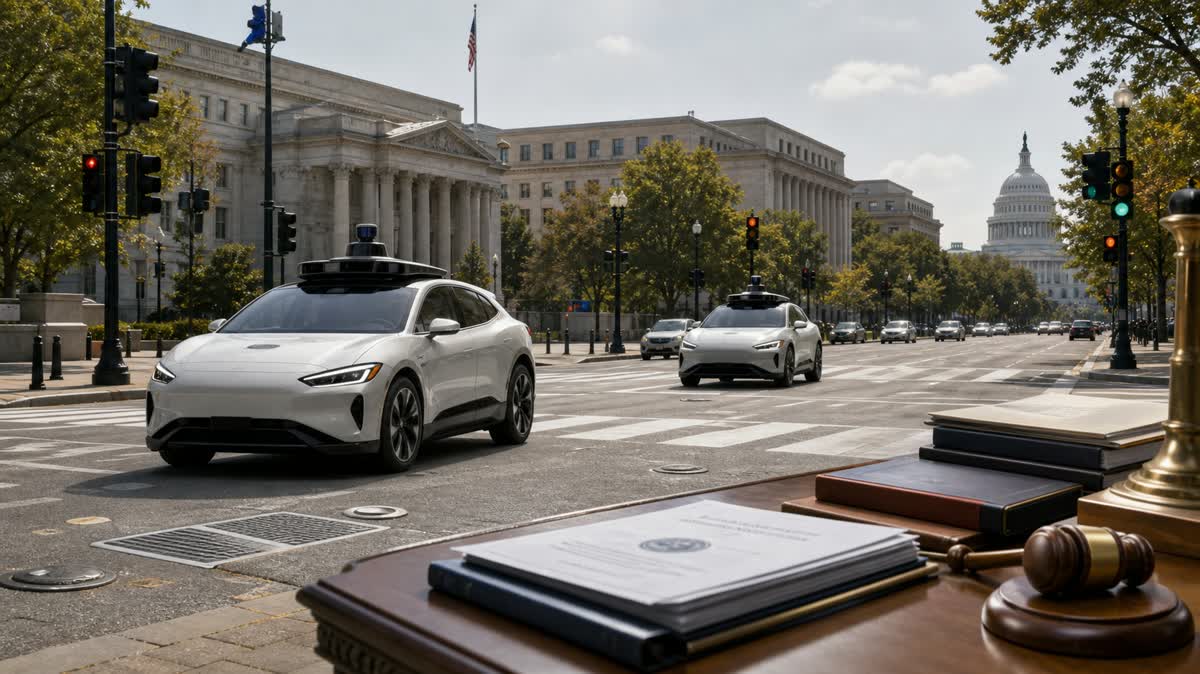
Washington, D.C.'s proposed robotaxi framework has become a concrete test of how cities may regulate driverless ride-hailing, with Uber and Waymo lining up on different sides of the debate.
The bill, B26-0684, is titled the Autonomous Vehicle Deployment Authorization Amendment Act of 2026. D.C. Council metadata describes it as a proposal to establish a Commercial Autonomous Vehicles Program within the District Department of Transportation. A July 13 hearing in the Council's Transportation and the Environment committee listed the bill as its topic, putting the dispute into an active legislative process rather than a theoretical policy fight.
TechCrunch reports that Waymo generally backs the bill, while Uber has argued against a first-party robotaxi model that could let AV operators serve riders directly without operating alongside human drivers on ride-hailing networks. Uber's position is that a hybrid model would preserve consumer choice and reduce harm to existing for-hire drivers. Waymo's position, as reported, is that the bill can allow safe deployment without giving Uber-style networks control over access to autonomous fleets.
The details matter for robotics companies because D.C.'s draft rules include thresholds and fees that could shape who can enter the market. TechCrunch reported concerns around a 180-day and 250,000-mile testing requirement, a $1 million application fee, a $5 million permit fee and a $0.15-per-mile tax.
The bill has not passed, and the final language may change. But the fight shows that robotaxi deployment is moving from demo mileage to market structure: who owns the rider relationship, who pays city fees, and how much protection cities give incumbent human-driving work.