U.S. Brief Backs OpenAI Position in Copyright Training Fight
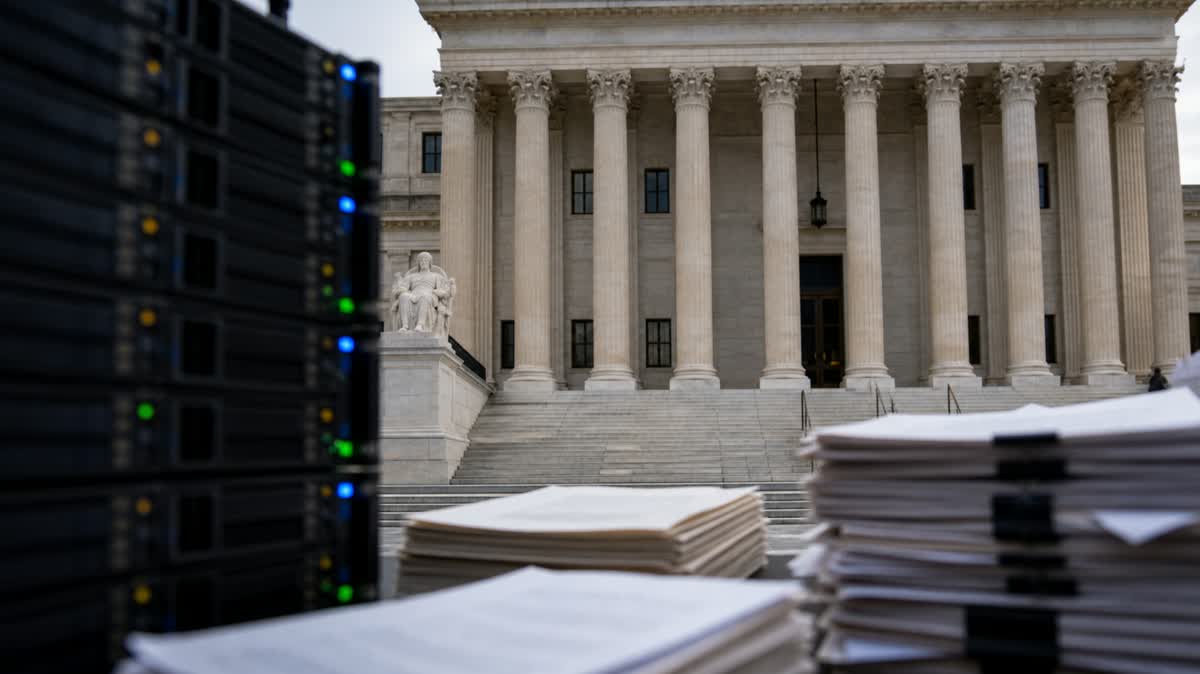
The U.S. government has entered The New York Times' copyright case against OpenAI and Microsoft with a statement of interest that leans toward the AI industry's preferred reading of fair use.
The filing, posted through CourtListener, says the United States has a strong interest in maintaining a competitive domestic artificial intelligence industry. It argues that courts should avoid treating large language model training as categorically outside fair use, warning that a narrow reading could hinder scientific progress and U.S. AI leadership.
The brief is not a ruling, and it does not end the case. The dispute remains in the U.S. District Court for the Southern District of New York, where the Times is pressing claims over alleged unauthorized use of its articles in model training and output behavior.
Still, the intervention matters because it puts the administration's AI policy view into one of the most closely watched copyright cases around model training. The White House order cited by the filing says U.S. policy is to sustain and enhance American AI dominance, including through government policies that support domestic development.
For AI developers, the practical signal is that federal lawyers are urging courts to handle training disputes through case-specific fair use analysis rather than a broad prohibition. For publishers, the core lawsuit remains unresolved: whether copying news content for model development, and any resulting outputs, crosses the line from protected analysis into infringement.