California Sets Robotaxi Emergency-Response Rules and Civil Penalties
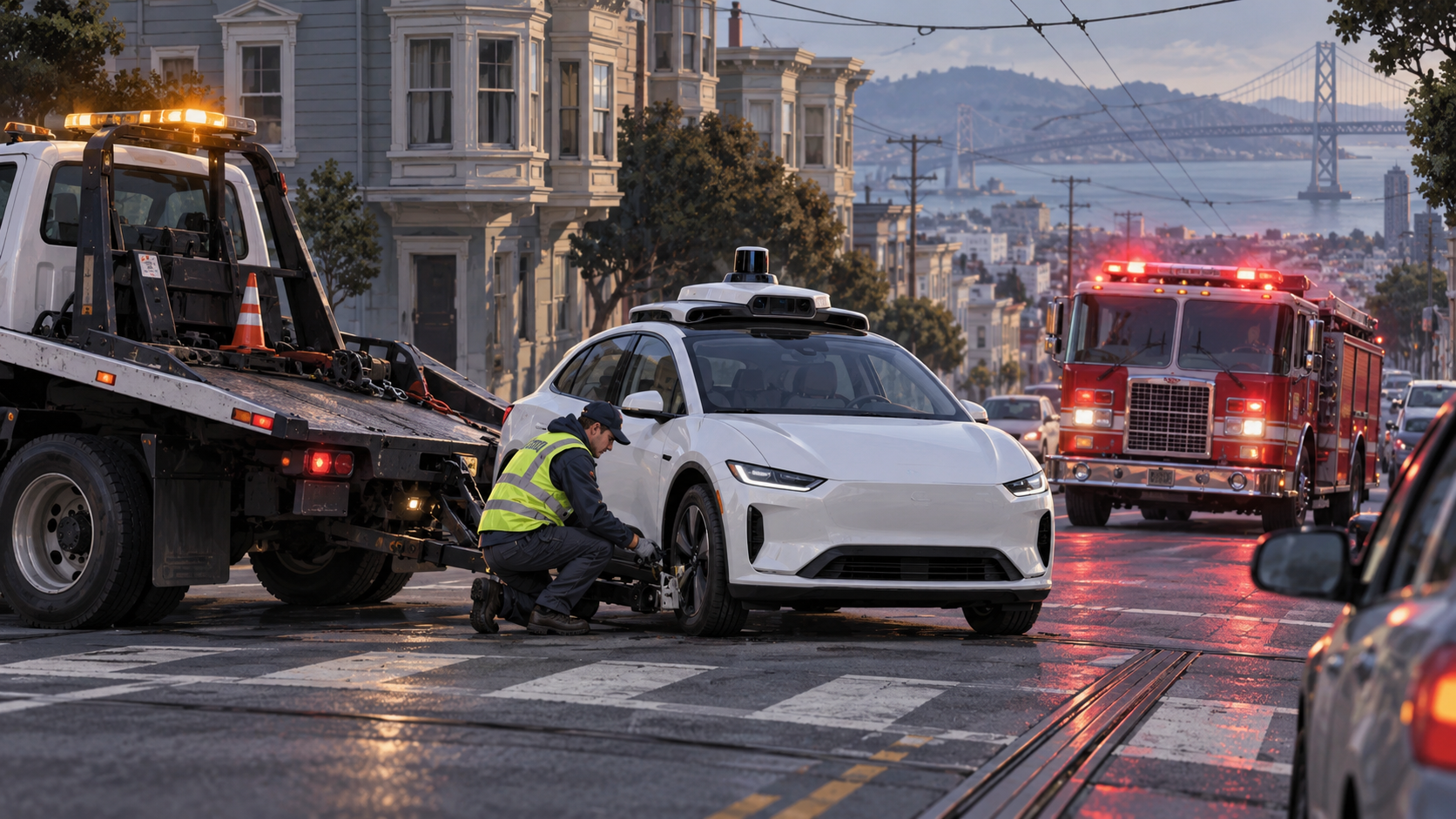
California Governor Gavin Newsom signed SB 1246 on September 30, establishing new requirements for handling disabled autonomous vehicles and interference with emergency operations. The provisions become operative July 1, 2028, rather than immediately.
The law requires autonomous-vehicle manufacturers to immediately dispatch local incident technicians when notified of qualifying crashes, immobilizations or roadway hazards, or when emergency officials or 911 dispatchers request assistance. Those technicians must be able to coordinate with responders and manually relocate or tow a vehicle.
During fleetwide failures that may create traffic hazards or impede emergency response, manufacturers must notify affected local jurisdictions of impacted vehicles' locations and status. They must also deploy technicians where appropriate when remote recovery is unavailable.
Penalties and operational requirements
City attorneys and county counsel can seek civil penalties through the courts. These include up to $5,000 for violations of the dispatch and notification requirements, and up to $10,000 per commercial autonomous vehicle that obstructs or interferes with emergency or law-enforcement operations for more than 30 minutes after an official requests a technician. Penalties are discretionary, with courts considering severity and mitigating circumstances.
Remote drivers must be located in the United States and hold an appropriately classified license valid for driving in California. The DMV must establish reasonable technician response-time guidelines by July 2028.
Manufacturers must also submit incident and response-time records quarterly, with the DMV publishing manufacturer-level summary statistics. For robotaxi developers, the law makes local recovery staffing, emergency coordination and measurable response performance explicit parts of deployment planning—not simply questions of driving-software capability.