Vercel Moves fx Agent Harness to Host, Keeping Shell Tools in Sandbox
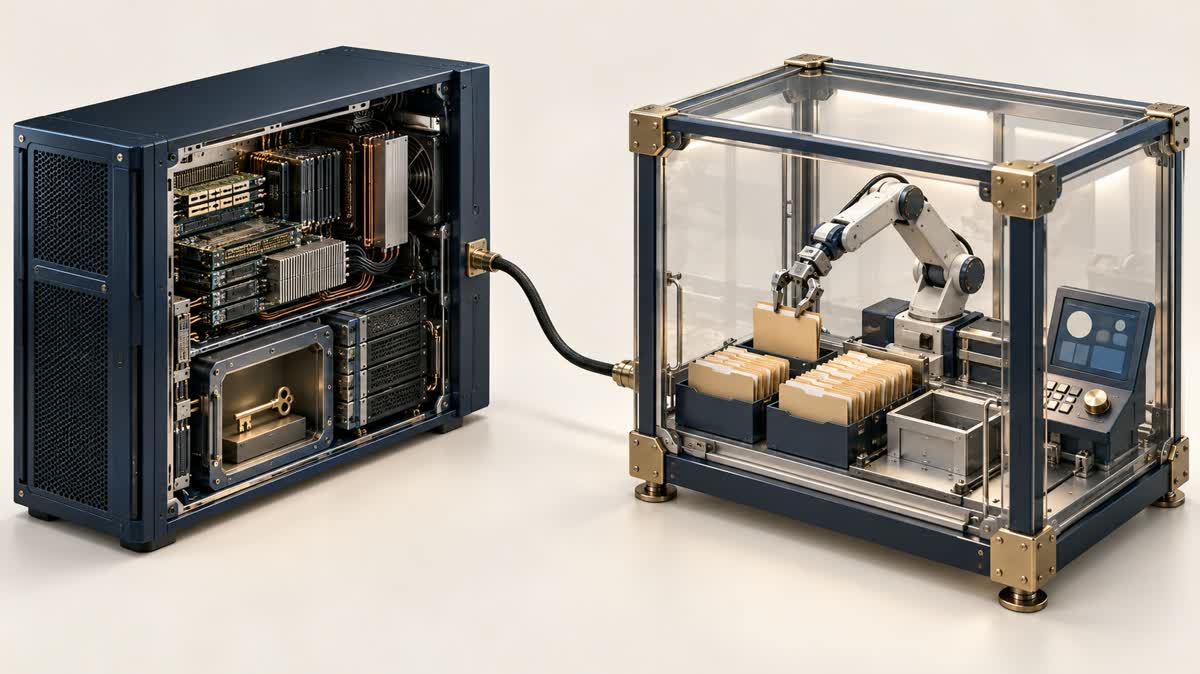
Vercel updated the fx adapter for AI SDK’s HarnessAgent on October 27, moving the agent harness and model requests into the application’s host process. Built-in filesystem and shell operations remain inside the sandbox, separating model orchestration from the environment where agent-generated commands execute.
Credentials stay on the host
The rewritten adapter uses libfx, the TypeScript library for fx. It no longer installs an fx executable inside the sandbox, runs a sandbox bridge process, or requires an exposed sandbox port. Model credentials stay on the host rather than being forwarded into the execution environment.
The documentation makes the network boundary explicit: the host needs access to AI Gateway and configured MCP servers, while the sandbox does not need network access for model requests. Built-in tools use the sandbox’s file and command-execution APIs. This changes where orchestration runs; it does not move shell execution onto the application host.
Steering and resumable sessions
The update also adds filtering for built-in tools, mid-turn instructions, schema-matching structured output, and image tool results through toModelOutput(). Sessions can be saved and resumed in a new host process.
Resumption still depends on reattaching the sandbox and supplying saved lifecycle state. It is not simply a fresh process recovering work without its previous execution environment.
Developers can adopt the rewrite by updating @ai-sdk/harness-fx. The documentation labels harness packages experimental and warns that releases may introduce breaking changes. For teams deploying coding agents, the concrete change is a simpler host-to-sandbox architecture with model credentials kept outside the sandbox—not a guarantee that every agent action is safe.