Meta Rolls Out Muse Avatar Calls to US Users
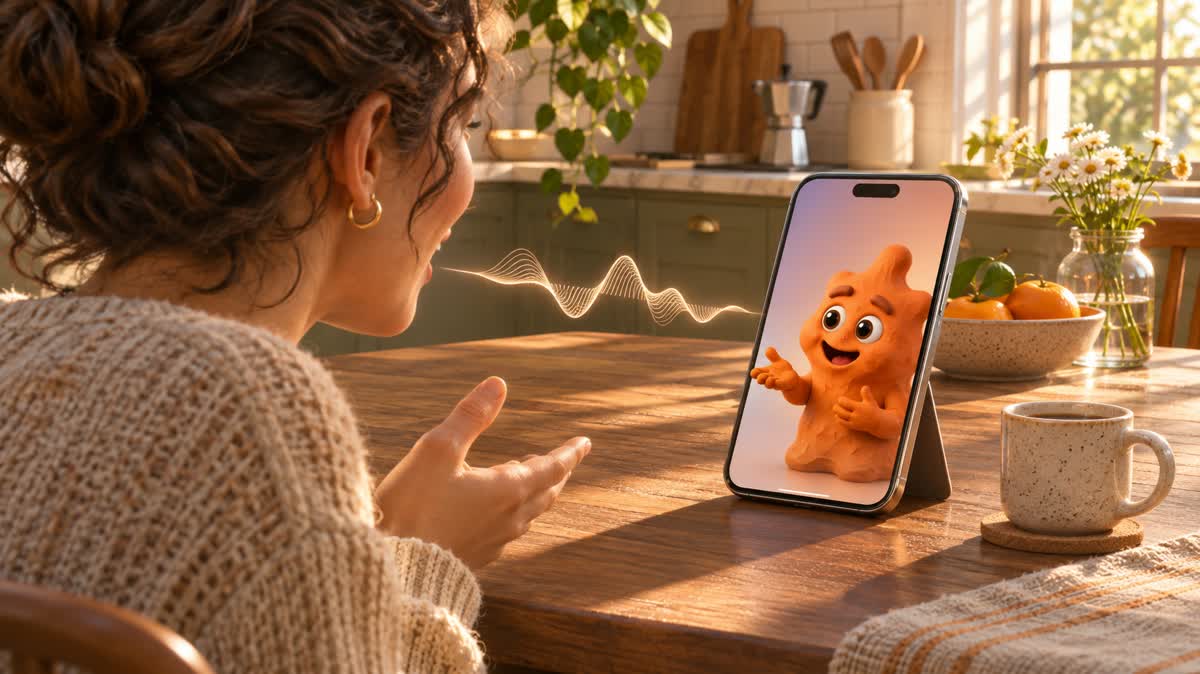
Meta has made Muse Voice available to users across the United States, expanding access to calls with its consumer AI agent through a customizable animated avatar. The company announced the rollout on November 5, following a preview at its September Connect conference, according to TechCrunch.
The interface lets people speak with an on-screen character while asking questions or requesting tasks. Users can customize the avatar to resemble a person, animal or another character. There is an important distinction from a conventional video call: TechCrunch reports that Muse does not see the user, but responds to what it hears in the conversation.
How the avatar works
Meta's accompanying technical post describes Muse Realtime Voice and Muse Realtime Avatar as one streaming system. Speech tokens drive both the audio response and the generated character video, allowing facial expressions and gestures to track the delivery of the spoken answer.
The avatar model is an audio-driven diffusion transformer that generates video in short chunks, using reference media and recent generated frames to maintain continuity.
Meta reports portrait video at 448 by 768 pixels and 25 frames per second, with approximately 870 milliseconds from the end of a user's turn to the first byte of the synchronized response. Those are company-reported measurements, not independent performance results.
The rollout makes an animated interface broadly available in the US. Its immediate significance is a new way to interact with an existing agent; the announcement does not by itself establish improved task-completion reliability.