Vercel Adds Custom Audiences for OIDC Tokens
Vercel deployments can now exchange OIDC tokens for provider-specific audience claims, tightening service-to-service authentication without adding long-lived secrets.
web3 and ai trends / open source /

Vercel deployments can now exchange OIDC tokens for provider-specific audience claims, tightening service-to-service authentication without adding long-lived secrets.

GitHub joined Black Forest Labs, Hugging Face, and Mozilla in asking California lawmakers to revise AI transparency language that could clash with open source licenses.

Nouriel Roubini has co-authored Atlas's USAFi whitepaper, backing a planned tokenized security tied to the Nasdaq-listed Atlas America Fund.

Superhuman has agreed to acquire GPTZero, bringing the AI detector's authenticity tools into Superhuman Go while GPTZero frames the deal as a way to reach more writing and reading surfaces.

Anthropic has introduced Claude Tag, a Slack-based beta that lets Enterprise and Team customers assign Claude work from shared threads with admin controls and tool access.
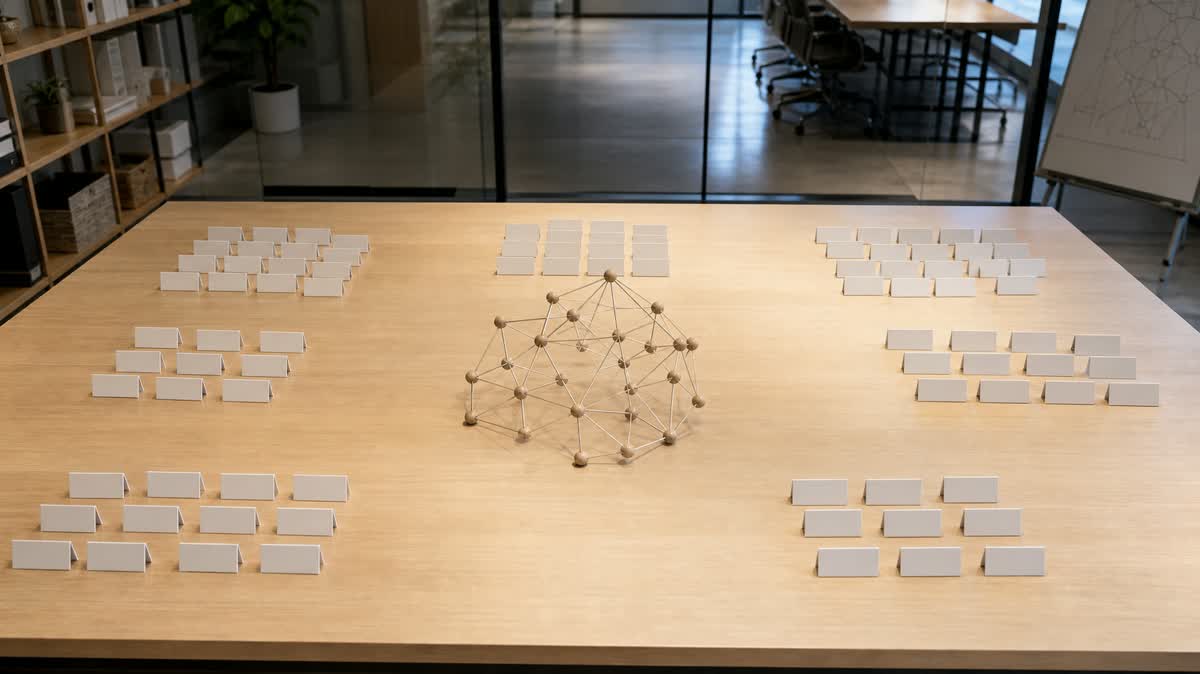
The Ethereum Foundation says a months-long reorganization leaves it with 54 fewer colleagues, roughly 20% of the organization.

Ripple says Luxembourg's CSSF has issued preliminary CASP approval, moving the company closer to MiCA-regulated crypto and stablecoin payment services across the EEA.

Vercel Flags brings feature flag management into the Vercel platform, pairing dashboard controls with the open-source Flags SDK for Next.js and SvelteKit teams.

A new Ethereum Research proposal would let validator majority signaling redirect part of staking rewards toward ecosystem funding.

Groq raised $650 million in new growth capital as it refocuses on AI inference cloud capacity after its Nvidia licensing deal.

Reflection AI will lease SpaceXAI compute at Colossus 2, giving the open-weight model lab access to Nvidia GB300 hardware under a deal worth up to $6.3 billion.

MoneyGram has become an active Solana validator and joined Solana Developer Platform as it expands blockchain payments infrastructure.

Taiko paused block production and urged users to exit bridges after a chain-state verification compromise let attackers drain roughly $1.7 million.

OpenRouter's Fusion API sends prompts to multiple models, compares their outputs, and returns one synthesized answer through the same API surface.

CME is asking a federal court to unwind the CFTC's approval of Kalshi's bitcoin perpetual futures contract, arguing the product should be treated as a swap.

Blockaid says JaredFromSubway's MEV bot was drained after fake trading routes led it to grant token approvals later used to pull WETH, USDC and USDT.

AI vulnerability tools are making continuous smart-contract review look less optional, even as researchers caution that real-world security still needs human validation.

Google says its AMIE research system matched primary care physicians on disease-management reasoning in a blinded virtual study, while remaining a research tool.

Reliance says Jio will add consent-based AI agents to phone calls, MyJio, and home broadband workflows as it pushes AI into its telecom network.

GoMining has opened SDK and API access for GoBTC Pay, a Bitcoin-native payment rail that settles merchants in BTC rather than fiat by default.

Google's latest A2A post uses FoldRun, a life-sciences workflow, to show how specialized agents can hand off tasks through the Agent2Agent protocol.

Z.ai's GLM-5.2 release pairs MIT-licensed open weights with a 1M-token context window aimed at long-horizon coding and agent workflows.

Vercel Connect lets agent applications request short-lived provider tokens at runtime instead of storing long-lived Slack, GitHub or API credentials.

A federal consent order permanently bars Celsius founder Alexander Mashinsky from CFTC registration and trading after the agency's 2023 enforcement case.
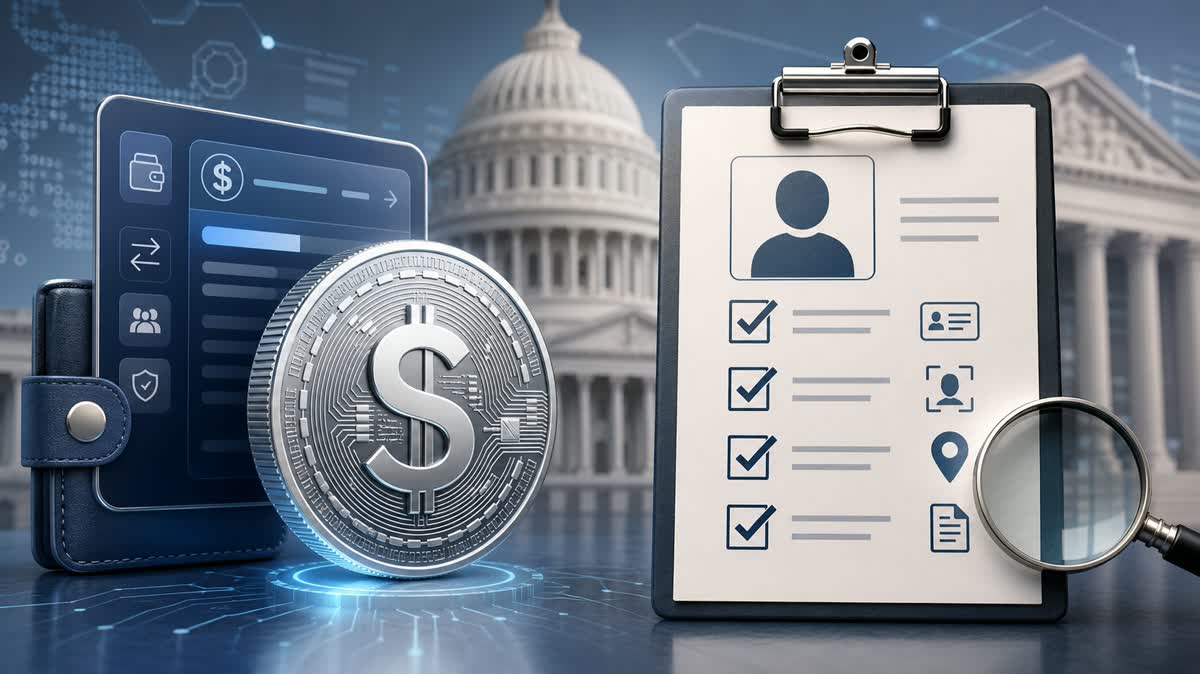
The Federal Reserve requested comment on a proposal that would require certain payment stablecoin issuers to maintain bank-like customer identification programs.

Algorand Foundation published a roadmap for native Falcon accounts, post-quantum multisig, and consensus research as it targets broader quantum resilience by the end of 2027.

Google launched a TPU Developer Hub with code-first resources for developers tuning, debugging and deploying machine learning workloads on Cloud TPUs.
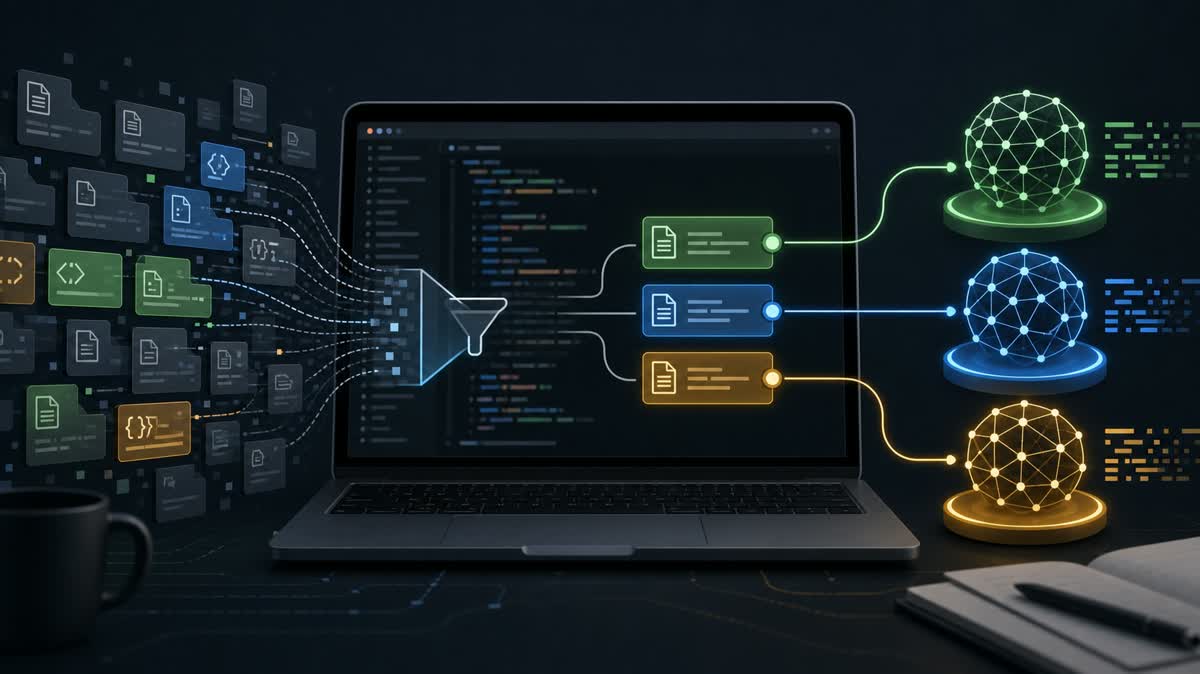
GitHub says Copilot is improving how it manages context and routes work across models so more user sessions go toward useful output.

Vercel's Agent Stack post bundles its AI SDK, Gateway, Sandbox and Workflow pieces into a deployment path for production agent applications.
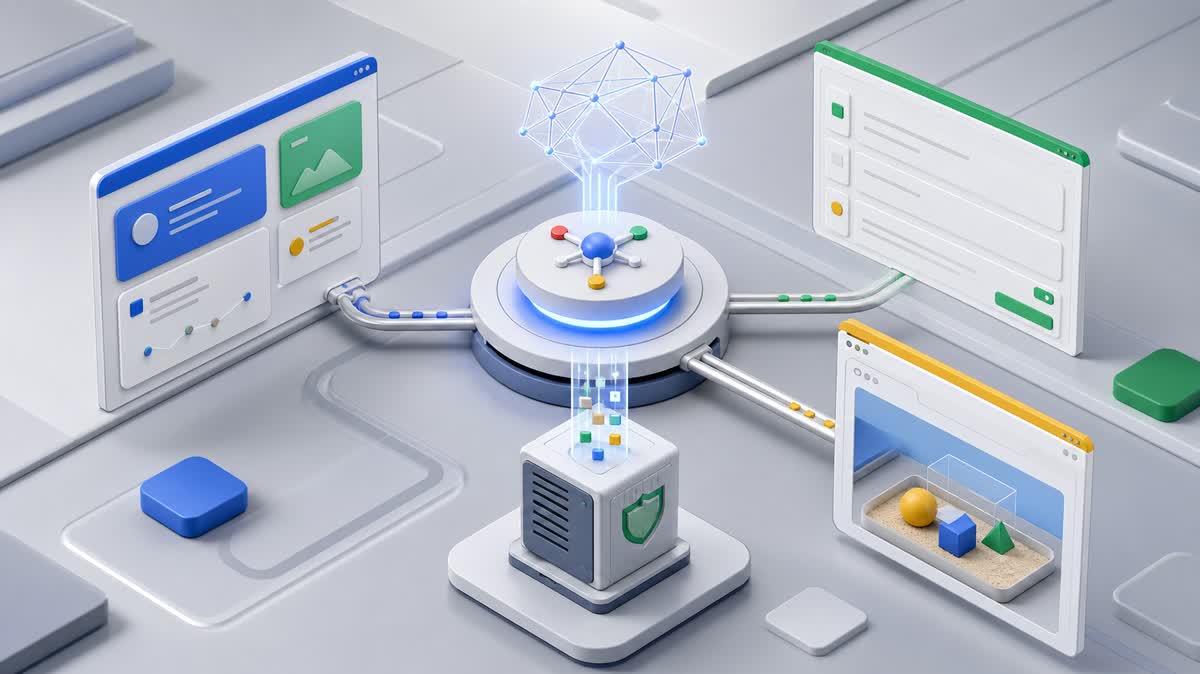
Google's A2UI team published three integration patterns for combining declarative agent interfaces with MCP Apps' iframe-based app model.

Illinois' new budget adds a 0.2% privilege tax on digital asset business activity received by in-state customers, with collection obligations aimed at brokers and service providers.

Vitalik Buterin pointed builders toward options-based index assets on Ethereum, while warning that any fast mainnet deployment should be formally verified first.

NVIDIA's Blackwell platform led MLPerf Training 6.0 results as the benchmark suite added newer large-model workloads for AI training systems.

State Street Investment Management has launched a government money market fund built for stablecoin issuers that need eligible reserve assets under the GENIUS Act framework.

Artificial Analysis has launched AA-AgentPerf, a benchmark for agentic coding workloads, with NVIDIA GB300 NVL72 leading the first published results.

Vercel says Node.js and Python Functions can now run for up to 30 minutes for Pro and Enterprise teams, giving long-running AI and automation tasks more room inside its serverless platform.

Google says Gemini 3.5 Live Translate brings near real-time speech-to-speech translation to Google AI Studio, Google Translate, and Google Meet.

Coinbase says its AI10, Defense10, China10, and Tech100 equity index perp-style futures are now live, extending a crypto-native derivatives structure into regulated U.S. equity themes.

Virtuals says Eastworlds has demonstrated a Unitree G1 humanoid reliably picking up a bottle autonomously after a low-cost training run.

Anthropic is funding Claude Corps, a fellowship that will train 1,000 early-career workers and place them inside U.S. nonprofits for one year.

Exodus Markets gives eligible wallet users access to more than 200 tokenized stocks, ETFs, and real-world assets through Ondo's Solana-based infrastructure.

Hugging Face released Transformers v5.12.0, adding MiniMax-M3-VL, Parakeet speech models, and other model support to the Python package.

The SEC's path for tokenized securities may begin with conditional exemptive relief while broader rulemaking remains unresolved.

Tokenized U.S. Treasury products have reached about $14.6 billion, extending a record run as crypto platforms add more traditional assets to onchain rails.

CoinDesk reports SpaceX's S-1 disclosed 18,712 bitcoin, turning a long-tracked private-company treasury position into a public-market disclosure.

Anthropic says a new U.S. export-control directive forced it to disable access to Claude Fable 5 and Claude Mythos 5 while it seeks clarification.

Eastworlds, a Virtuals initiative, has started a pilot using a teleoperated humanoid in a Malaysian hotel to gather real-world housekeeping data.

Vercel has added Kimi K2.7 Code to AI Gateway, giving developers another routed model option for coding and agent workloads.
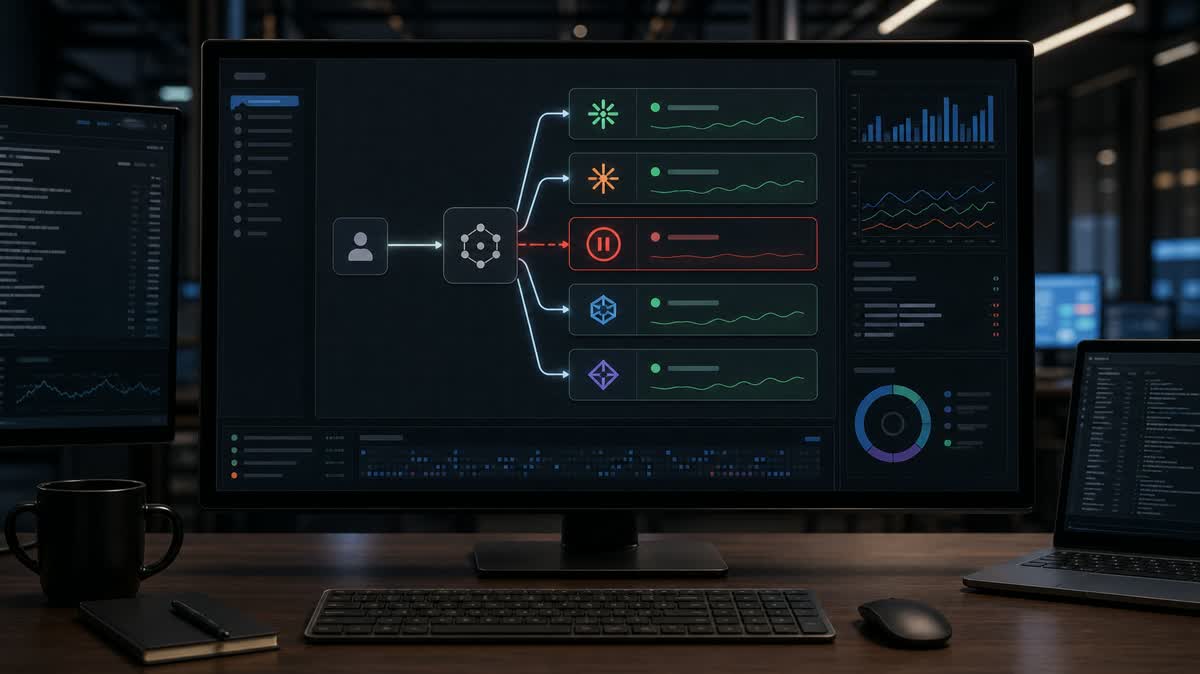
Vercel has suspended Claude Fable 5 access on AI Gateway, turning a recent model-routing addition into an availability risk for developers.
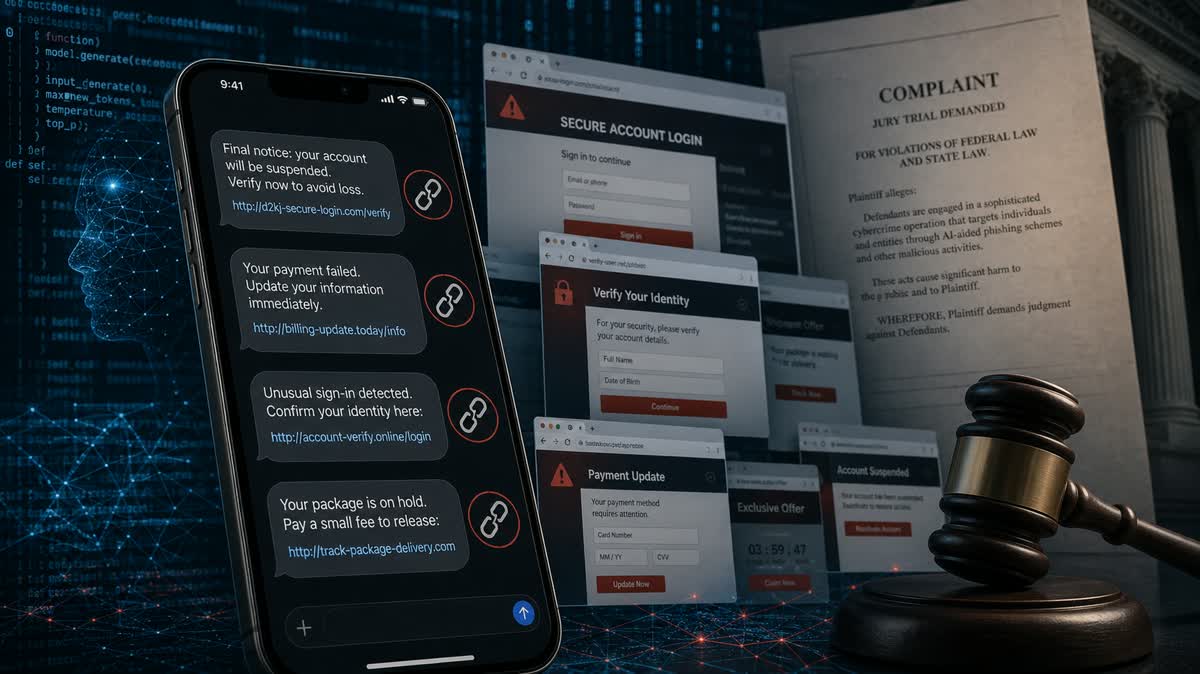
Google says a China-based phishing network used AI to support text-message scams tied to fake websites, fraudulent URLs, and millions of Android messages.